2026 Top Tips to Leave Your Cat Alone for 48 Hours?

Time:2026-09-10 Author:Mason
0%

Leaving a cat alone for 48 hours requires more than filling one bowl and locking the door. This 2026 guide explores how to leave my cat alone for 48 hours without the food going stale, while protecting hydration, comfort, and safety. A healthy adult cat may manage brief solitude, but individual needs vary. Kittens, seniors, anxious cats, and cats with medical conditions usually need closer supervision.

Certified applied animal behaviorist Dr. Mikel Delgado says, “Cats are social animals, and they need social interaction.” That reminder matters. Automatic care does not replace a human check. Use a timed feeder with sealed compartments, and test it for several days. Divide meals into small portions. Dry food can lose freshness, while wet food needs cooling and careful timing. A chilled feeder may help, but it can still fail.

Add two or more stable water sources. Place them away from litter boxes. Scoop the litter before leaving, then provide an extra clean tray if possible. Remove strings, toxic plants, unstable objects, and accessible medications. A camera can show activity, but it cannot open a jammed feeder or help an injured cat.

Ask a trusted person to visit at least once daily. Give clear instructions, your veterinarian’s details, and a backup key. I would not rely on technology alone. It sometimes fails quietly. Your cat may also hide stress better than expected. A calm room, familiar bedding, and a written care plan can make those 48 hours safer, fresher, and less unsettling.
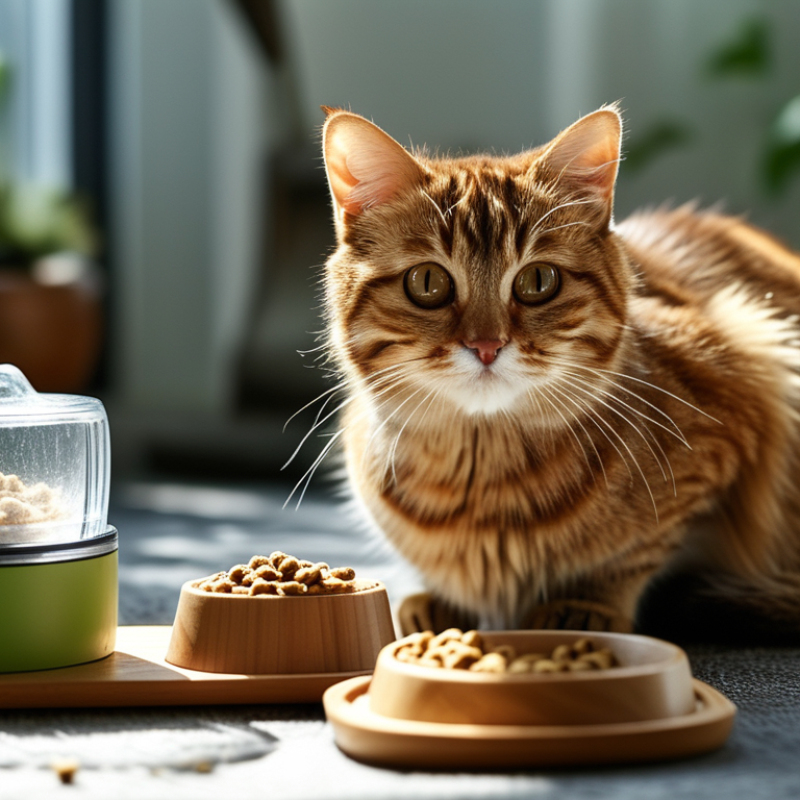
2026 Top Tips to Leave Your Cat Alone for 48 Hours?

Assess Whether Your Cat Can Safely Stay Alone for 48 Hours

Before leaving a cat alone for 48 hours, assess more than its ability to sleep through the day. A healthy adult cat may tolerate a short absence, but two days without human checks is usually unsafe. Kittens, elderly cats, anxious cats, and cats with medical conditions need closer supervision. Medication, recent illness, vomiting, or changes in appetite should rule out a 48-hour stay alone.

Observe your cat’s normal routine. Does it drink regularly, use the litter box, and cope calmly when you leave? Provide multiple water bowls, measured food, clean litter boxes, safe resting areas, and secure windows. Remove strings, toxic plants, open containers, and unstable objects. Two days is different. A spilled water bowl can become a serious problem within hours.

A responsible adult should visit at least once daily, preferably twice, to refresh water, check food intake, inspect litter, and look for unusual behavior. Ask that person to confirm your cat is visible and responsive, not merely leave food at the door. Share feeding instructions, emergency contacts, your veterinarian’s details, and a carrier location. Test it gently with one night away first. That trial is not perfect, but it may expose a hidden issue, such as nighttime distress or a blocked litter box. Personally, I would not leave a cat with health concerns alone for 48 hours, even with extra supplies.

Prepare Food, Water, Litter, and Medication Before Leaving

Leaving a cat alone for 48 hours requires more than filling one bowl. In practice, arrange a reliable person to visit at least once daily. They should check appetite, water intake, litter, medication, and unusual behavior. The 2021 AAFP Feline Life Stage Guidelines support providing one litter box per cat, plus one extra. Clean every box before departure.

Measure meals into separate containers. Automatic feeders can help, but test them for several days first. Offer two or three water stations in different rooms. A tipped bowl can quickly become a serious problem. Wet food should not sit unattended for long periods, especially in warm rooms. According to the 2023–2024 APPA National Pet Owners Survey, 46.5 million U.S. households own cats, yet care needs vary widely. One plan cannot fit every cat.

Give medication only as prescribed. Write the dose and timing clearly, and show the visitor how to administer it. Never hide a tablet in food unless a veterinarian approves it. Keep emergency contact details beside the carrier. Remove string, toxic plants, open windows, and unstable objects. Even careful preparation can fail. I would not trust a new feeder without testing it. A camera may show movement, but it cannot replace a person checking the cat’s body, litter, and actual water supply.

Create a Safe, Comfortable, and Enriching Home Environment

Leaving a cat alone for 48 hours requires more than filling one bowl. Forty-eight hours is a long absence. A reliable caregiver should check in at least once daily, especially for kittens, seniors, or cats with medical needs. Ask a veterinary professional about special risks before making plans.

Create separate water stations in quiet rooms, and test any timed feeder before leaving. Provide enough litter boxes, usually one per cat plus one extra. Scoop them immediately before departure. Remove string toys, open windows, loose cords, toxic plants, and unstable objects. Keep the home comfortably cool, with safe access to familiar hiding places. A blanket carrying your scent may reduce stress.

Enrichment should feel simple and predictable. Hide small portions of dry food in easy-to-find places, then leave puzzle toys that your cat has already used safely. Rotate cardboard boxes, scratching surfaces, and a secure window view. Do not introduce complicated toys on departure day. That can create frustration rather than stimulation. A common mistake is overfilling the room with entertainment. Cats often prefer choice and quiet. I would also leave written feeding instructions, an emergency contact, and the carrier in an accessible place. Check the camera carefully, if you use one. It cannot replace a human visit. Some cats look calm on video but may be vomiting, trapped, or refusing food. A short trial absence can reveal problems before two full days become necessary.

2026 Top Tips to Leave Your Cat Alone for 48 Hours

Create a Safe, Comfortable, and Enriching Home Environment

A 48-hour absence should not mean leaving a cat completely unattended. Arrange a responsible person to check the cat, food, water, litter box, temperature, and home safety at least once every 24 hours. Provide multiple water sources, clean litter, secure windows, hiding places, scratching areas, and safe enrichment. Kittens, senior cats, and cats with medical or behavioral needs require more frequent care.

The intervals shown are practical welfare-planning targets, not a substitute for veterinary advice.

Arrange Reliable Check-Ins and Emergency Support

Leaving a cat alone for 48 hours requires more than extra food and water. Arrange a trusted person to visit at least once daily, preferably morning and evening. Two check-ins are safer than one.

The caregiver should refresh water, serve food, clean the litter tray, and watch your cat move normally. Ask them to check for vomiting, diarrhea, breathing changes, injuries, or unusual hiding. A short video can help you notice changes, but it cannot replace physical care.

Leave written instructions beside the supplies. Include feeding amounts, medication details, your veterinarian’s number, and a nearby emergency contact. Keep the carrier open and familiar, not hidden in a closet. Small details matter.

Create a clear emergency plan before departure. Give the caregiver permission to seek veterinary treatment if you cannot answer quickly. Store your cat’s medical records, recent photographs, and a spare key safely. Test every lock, camera, feeder, and water fountain before leaving.

Technology fails. I would not rely on it alone. Remove string toys, toxic plants, open windows, and unstable objects from accessible rooms. Keep the home calm and comfortably warm.

If your cat is elderly, ill, anxious, or taking medication, ask a veterinary professional whether 48 hours is appropriate. A missed visit can become serious quickly. Make the backup person aware, even if they never need to help.

Inspect Your Cat and Home Carefully When You Return

When you return after 48 hours, inspect your cat before unpacking your bag. A quiet greeting is not proof of good health. Cats often hide pain, so check breathing, posture, eyes, gums, coat, and walking. Look for vomiting, diarrhea, limping, unusual hiding, or repeated trips to the litter tray. I once mistook a silent cat for a relaxed cat. That judgment was wrong.

The 2024 PAW Report estimates about 10.8 million pet cats live in UK households, showing how many homes need practical welfare checks. Weigh your cat if possible, or compare its body shape with recent photographs. Fresh water should be available, and food bowls must not contain spoiled leftovers. Inspect every litter tray for urine, stool, blood, or straining. Call a veterinary professional promptly if your cat cannot urinate, struggles to breathe, remains weak, or refuses food. Do not delay because the cat seems calm.

Then inspect the home at cat level. Check windows, doors, cords, plants, spilled liquids, and overturned furniture. Look behind appliances and under beds. A missing toy may reveal a swallowed fragment. Review camera footage carefully, but do not treat technology as a substitute for physical inspection. The 2022 AAFP/ISFM feline guidelines emphasize minimizing stress during handling; use a quiet room, gentle movements, and stop if your cat shows fear. Some checks may feel excessive. They are still worthwhile.

FAQS

: Can a cat safely stay alone for 48 hours?

: Forty-eight hours is a long absence. Arrange at least one daily visit from a trusted caregiver. Morning and evening visits are safer. Kittens, seniors, anxious cats, and sick cats may need more care. Ask a veterinary professional before deciding.

What should a caregiver do during each visit?

Refresh water, provide measured food, clean the litter tray, and observe normal movement. They should check for vomiting, diarrhea, breathing changes, injuries, or unusual hiding. A short video helps, but physical care matters more.

How much water and food should I leave?

Place water stations in quiet rooms. Test any timed feeder before departure. Leave written feeding amounts beside the supplies. Extra food cannot solve every problem.

How should I prepare the litter area?

Provide one litter box per cat, plus one extra. Scoop every box immediately before leaving. The caregiver should inspect and clean them during visits.

Which household hazards should I remove?

Remove string toys, loose cords, toxic plants, open windows, and unstable objects. Secure anything that could fall from a shelf. Check doors and locks carefully.

How can I keep my cat comfortable?

Keep the home comfortably cool or warm. Leave familiar hiding places available. A blanket carrying your scent may reduce stress. Quiet matters.

What enrichment is suitable during my absence?

Hide small portions of dry food in easy-to-find places. Offer puzzle toys your cat already uses safely. Leave cardboard boxes, scratching surfaces, and a secure window view. Do not introduce complicated toys on departure day.

Can cameras and automatic devices replace a caregiver?

No. Cameras and feeders can fail. A calm video may hide vomiting, trapped behavior, or refused food. Test every device, but rely on human visits too.

What emergency preparation should I complete?

Leave feeding instructions, medication details, medical records, recent photographs, and emergency contacts. Keep the carrier open and accessible. Give the caregiver permission to seek veterinary treatment if you cannot respond quickly. A backup person should know the plan.

How can I test the plan before leaving?

Try a short absence first. Check whether your cat eats, drinks, uses the litter box, and stays safe. I might overestimate how prepared my cat is. A trial can reveal problems early.

Conclusion

Leaving a cat alone for 48 hours requires careful planning and an honest assessment of the cat’s age, health, temperament, and daily needs. Before leaving, provide enough fresh food and water, prepare clean litter boxes, and organize any required medication. If you are wondering “how to leave my cat alone for 48 hours without the food going stale,” choose appropriate portions, use clean containers, and consider safe feeding arrangements rather than leaving perishable food exposed. A veterinarian’s guidance may be important for cats with medical conditions or special care needs.

Make the home secure, comfortable, and stimulating by removing hazards, maintaining a suitable temperature, and offering safe toys, hiding places, and resting areas. Reliable check-ins from a trusted person are strongly recommended to refresh supplies, clean litter, observe behavior, and respond to problems. Leave clear care instructions and emergency contact details. When you return, inspect your cat for changes in appetite, behavior, hydration, or health, and check the home for spills, damage, or other concerns.

Mason

Mason

Mason is a seasoned marketing professional with a deep expertise in the company's offerings and a passion for driving brand awareness. With a strong background in digital marketing strategies, he has an innate ability to connect with diverse audiences and effectively communicate product benefits.......