When adopting a cat, one of the vital aspects to consider is litter boxes. Understanding what beginners should know about litter boxes can greatly enhance your cat’s comfort and your home’s cleanliness. According to the American Veterinary Medical Association, over 90% of cat owners use litter boxes. This statistic underscores their significance in feline care.
Choosing the right litter box is essential. Many beginners overlook important factors like size, accessibility, and type of litter. For instance, a box that is too small may deter a cat from using it. The International Cat Care suggests a minimum box size that allows cats to turn around comfortably. Additionally, around 20% of cat owners report problems with litter box usage, often due to improper placement or maintenance. This highlights the necessity for continuous reflection and adjustment to meet your pet's needs.
While numerous options exist in the market, not all litter types are equal. Some materials can be harmful to sensitive cats, making research critical. Understanding what beginners should know about litter boxes can prevent issues that may arise later. Adopting a knowledgeable approach will ultimately lead to happier cats and a cleaner living environment for both you and your feline friend.
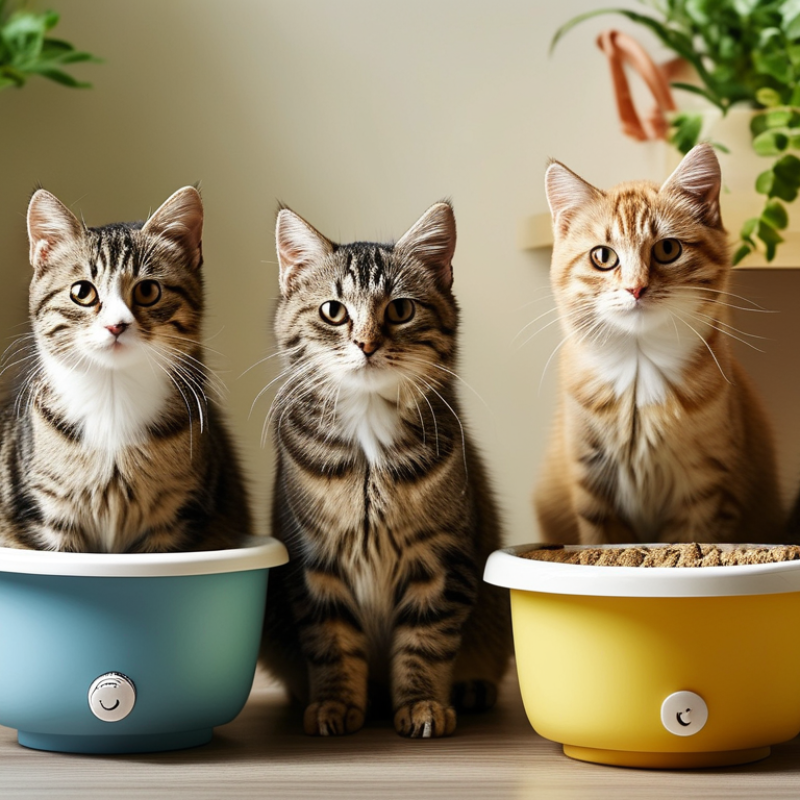
When it comes to choosing a litter box for your cat, understanding the basics is crucial. A good litter box should be the right size. Generally, it should be large enough for your cat to turn around comfortably. Cats prefer boxes that are about one and a half times their length. The entrance should also be low enough, especially for older cats or those with mobility issues.
Material is another aspect to consider. Many litter boxes are made from plastic, which is easy to clean. However, some cats may be sensitive to certain textures. Pay attention to your cat’s reaction. You might need to experiment with different shapes or styles. Covered boxes can help contain odors but may not be preferred by all cats.
Location is everything. Place the litter box in a quiet, accessible spot. Avoid high-traffic areas. If your cat feels stressed while using the box, it can lead to accidents elsewhere. It’s essential for cats to have privacy. Regular cleaning is non-negotiable. A dirty box can deter your cat from using it, leading to behavioral issues. Make it a routine to scoop daily and change the litter weekly.
Choosing the right type of litter for your cat is crucial. It can affect their health and your home environment. Studies show that over 70% of cats prefer clumping litter. This type forms solid masses, making it easier for owners to scoop waste. Many cats dislike it when their litter doesn’t clump.
Consider the texture of the litter. Cats often prefer fine-grained litter because it feels softer under their paws. In a survey, nearly 60% of cat owners reported that their pets rejected coarse litter types. Dust can also be an issue. Excessive dust can irritate a cat's respiratory system. Look for low-dust formulas to minimize this problem.
Scented litter may seem appealing, but it can deter some cats. Approximately 30% of cats avoid litters with strong fragrances. They prefer unscented options, which may feel more natural. Experimenting with different types can lead to better hygiene and comfort for your cat. Understanding their preferences will improve their bathroom experience and your home’s cleanliness.
Selecting the best location for your cat's litter box is crucial. Cats are sensitive to their environment. A quiet, private spot is ideal. Avoid high-traffic areas. This helps your cat feel safe while using the box.
Consider placing the litter box away from your cat's food and water. Smells can deter your pet. Also, ensure it's easily accessible. A box in a closed-off area might not be used if your cat feels trapped. Remember, a clean box encourages regular use.
Tips: Keep the box in a consistent location. Changing the spot can confuse your cat. Ensure the box is large enough. Some cats prefer enclosed boxes, while others like open ones. Observe your cat's behavior; this can provide insight into their preferences.
Keeping a clean litter box is crucial for your cat's health and happiness. Regular cleaning prevents odors and promotes good hygiene. Scoop out clumps of waste daily. This helps avoid an overwhelming buildup. Remember, cats can be picky about cleanliness. If the box is too dirty, they may refuse to use it.
Refilling the litter is just as important. Choosing the right type is key. Natural options are popular, but some may not absorb odors well. Aim for a depth of about three inches in the box. This allows your cat to dig and cover their waste effectively.
Consider a weekly deep clean. Empty the litter entirely, wash the box with warm, soapy water, and rinse thoroughly. Even if this sounds tedious, a clean box makes your home smell fresher. Leave the box air dry before refilling it. This helps maintain a hygienic environment for your feline friend. Regular maintenance fosters a positive litter box experience for both you and your cat.
| Tip | Description | Frequency | Recommended Products |
|---|---|---|---|
| Scoop Daily | Remove clumps of soiled litter and waste. | Every day | Cat litter scoop |
| Wash Litter Box | Thoroughly clean the box using soap and water. | Monthly | Mild detergent |
| Refill Litter | Add fresh litter to maintain a depth of at least 2-3 inches. | Weekly | Cat litter |
| Change Litter Type | Consider switching litter types if your cat shows preference or allergies. | As needed | Variety of litter options |
| Location Matters | Place the litter box in a quiet, accessible area. | Permanent | N/A |
Litter box issues are common among cat owners. One major problem is the cat refusing to use the box. This could stem from an unclean box or a location that feels unsafe.
Always ensure the box is clean. Scoop it daily and change the litter regularly. Cats prefer their space to be both clean and accessible.
Another frequent issue is improper elimination outside the box. This could indicate a medical problem or stress. Pay attention to changes in behavior. If your cat suddenly starts eliminating outside the box, consider a visit to the vet. Stress factors might include new pets, changes in the home, or even loud noises.
Choosing the right litter is also key. Some cats have preferences and may avoid the box if the litter is not to their liking.
Experiment with different types until you find what works for your cat.
Monitor their reactions. It may take some time and observation, but understanding your cat’s needs is essential for a harmonious home.
: The litter box should be one and a half times the length of your cat.
Choose a quiet, private spot away from high-traffic areas.
Scoop daily and change the litter weekly for optimal cleanliness.
This could indicate an unclean box or a location that feels unsafe.
Some cats are sensitive to textures; watch their reactions to different materials.
Some cats prefer covered boxes for odor control, while others like open ones.
Yes, stress from new pets or loud noises can lead to improper elimination.
This behavior may indicate a medical issue or stress; observe for changes.
Ensure privacy and keep the box in a location where your cat feels secure.
Experiment with different types and monitor your cat’s preferences closely.
When considering what beginners should know about litter boxes, it's essential to understand the basics of selecting the right type for your cat. Different cats have varying preferences, so choosing the right litter, whether clumping, non-clumping, or natural, can significantly enhance your cat's comfort and willingness to use the box. Additionally, the location of the litter box is crucial; it should be placed in a quiet, accessible area away from the cat's food and water.
Maintaining cleanliness is vital for keeping your cat happy and healthy. Regular cleaning and refilling tips include scooping daily and washing the box periodically to prevent odors. Lastly, being aware of common litter box issues—such as refusal to use the box or litter being kicked out—allows you to troubleshoot and create a more inviting environment for your feline friend.

Purr Pet