Black chin sores can make an ordinary mealtime look like a small medical mystery. You may notice dark specks, crusts, or irritated skin beneath your cat’s lower lip. The feeder might be involved, but it may not be the only explanation.
So, why is my cat getting black chin sores from their feeder? Possible causes include feline acne, trapped food, bacterial buildup, plastic surface scratches, contact irritation, or an unrelated skin condition. A bowl that looks clean can still hold invisible residue around its rim. That detail matters.
Veterinary dermatologist Dr. Karen Moriello describes feline acne as “a disorder of the hair follicles, not simply a sign of poor hygiene.” Her point encourages careful observation rather than blame. The feeder could contribute through friction or contamination, yet changing bowls alone may not solve the problem.
No bowl is magic.
This 2026 guide examines feeder materials, shape, cleaning access, height, and eating comfort. Stainless steel, ceramic, and glass often provide smoother, less porous surfaces than damaged plastic. However, manufacturing quality and daily cleaning matter more than a label alone. A shallow, wide design may also reduce chin contact with leftover food.
Take photos before changing everything. Note when the sores appear, what your cat eats, and how often the feeder is washed. If swelling, bleeding, pain, pus, or spreading irritation develops, seek veterinary care promptly. Some cases need diagnosis and treatment beyond a feeder upgrade.
The best choice should reduce mess and contact. It should also support your cat’s health, not merely look attractive on a kitchen shelf.
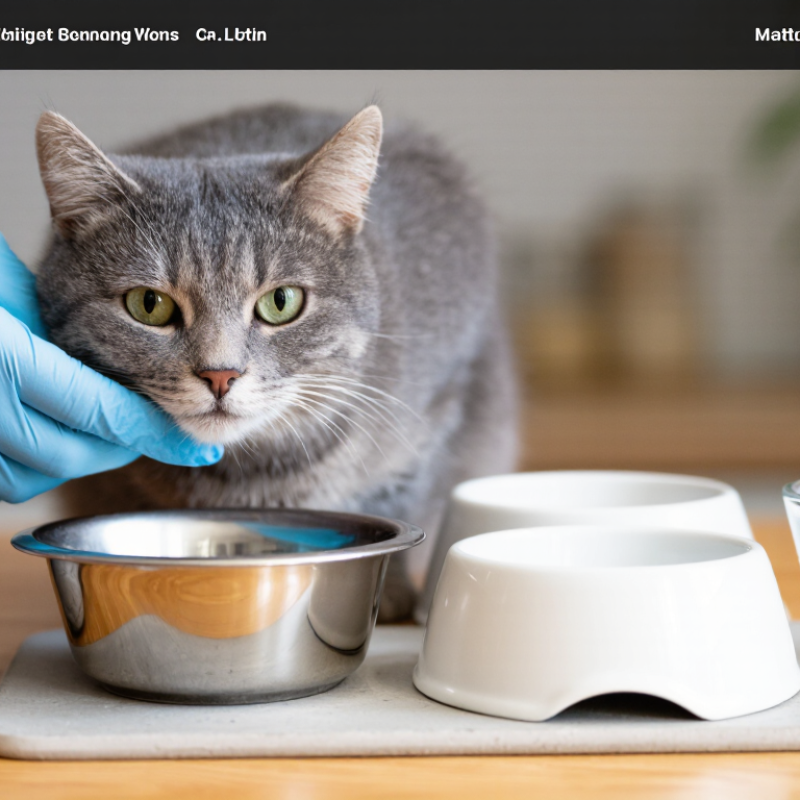
Black chin sores in cats often begin as feline acne. Tiny dark plugs form around the hair follicles, especially beneath the lower lip. Some cats develop only black spots. Others develop redness, crusts, swelling, or painful pustules.
Several factors may contribute. Greasy skin, stress, allergies, and poor grooming can trap oil and debris. Plastic food or water dishes may hold bacteria and residue, irritating sensitive skin. This does not happen to every cat using plastic, so blaming the bowl alone is too simple. A feeder with smooth, washable surfaces may help, but cleanliness matters more than appearance. Wash dishes daily and remove leftover wet food promptly.
Mites, fungal infection, dental disease, or a deeper bacterial infection can look similar. I once underestimated a small chin lesion because it appeared harmless; it later needed veterinary treatment. Avoid squeezing the sores or applying human acne products. A veterinarian should examine spreading redness, bleeding, swelling, pus, hair loss, or signs of pain. They may recommend gentle cleansing, allergy investigation, parasite testing, or prescription medicine. Keep a photo record, note changes after meals, and replace assumptions with evidence.
| Comparison Dimension | Recommended Choice | Why It May Help | What to Avoid | Practical Care Guidance |
|---|---|---|---|---|
| Best Overall Feeder Type | A shallow, wide feeder made from stainless steel, glazed ceramic, or glass | These smooth, non-porous surfaces are generally easier to clean and less likely to retain food residue than scratched plastic. | Deep bowls, narrow openings, and heavily scratched or cracked surfaces | Choose a dish that allows the cat's whiskers and chin to remain outside the food while eating. |
| Best Automatic Feeder Design | Automatic feeder with a removable, dishwasher-safe food-contact tray made from stainless steel or another non-porous material | Portion control can reduce food sitting out for long periods, while a removable tray makes routine cleaning easier. | Models with inaccessible food paths, permanently attached trays, or difficult-to-clean seams | Inspect the chute, tray, lid, and seals regularly for oil, crumbs, and moisture buildup. |
| Feeder Material | Stainless steel, glass, or fully glazed ceramic | When intact and cleaned properly, these materials have smooth surfaces that are less porous than plastic. | Old, rough, chipped, or scratched plastic bowls | Replace any bowl with cracks, chips, peeling surfaces, or permanent odors. |
| Cleaning Frequency | Wash the food-contact surface after every meal when practical; clean automatic-feeder parts according to the manufacturer's instructions and at least several times weekly | Removing grease, saliva, crumbs, and wet food reduces residue that can irritate the skin or support microbial growth. | Only wiping the bowl or refilling it on top of old food | Use hot water and dish detergent, rinse thoroughly, and allow the parts to dry completely before refilling. |
| Food Presentation | A small portion placed in a clean, shallow dish | Smaller portions can reduce food contact with the chin and help prevent leftovers from remaining at room temperature. | Overfilled bowls, wet food left out for extended periods, and food smeared around the rim | Remove uneaten wet food promptly and clean the chin gently with a damp, soft cloth if food remains on the fur. |
| Common Cause of Black Chin Spots | Feline acne, which may appear as blackheads, dark specks, crusts, or small bumps on the chin and lower lip | Feline acne is associated with abnormal follicular keratinization and may be aggravated by local irritation or poor hygiene. | Assuming every black spot is caused by the feeder or treating it as human acne | Do not squeeze, pick, or scrub the lesions. A veterinarian can confirm the diagnosis. |
| Other Possible Causes | Contact irritation, bacterial or fungal infection, parasites, allergies, or other inflammatory skin conditions | Several conditions can resemble feline acne, and their treatments are different. | Using human acne products, essential oils, alcohol, hydrogen peroxide, or leftover medication | Seek veterinary advice if the lesions spread, become painful, ooze, bleed, or cause hair loss. |
| Feeder Features Worth Prioritizing | Removable parts, smooth surfaces, stable non-slip base, easy portion control, and a washable tray | These features support consistent hygiene and help prevent spills and food accumulation around the mouth. | Decorative grooves, porous unsealed surfaces, exposed lubricants, and inaccessible internal food channels | Keep the feeder in a dry area away from litter boxes and clean the surrounding floor regularly. |
| When a Feeder Change May Be Reasonable | When the current bowl is plastic, scratched, difficult to clean, too deep, or repeatedly associated with food residue on the chin | Changing the feeding setup may reduce mechanical or contact irritation, although it does not cure every skin condition. | Expecting a new feeder alone to resolve severe, recurrent, or infected lesions | Introduce the new feeder gradually and monitor the skin for improvement over the following weeks. |
| Veterinary Attention | Prompt examination for swelling, pus, bleeding, marked redness, pain, fever, appetite loss, or recurring sores | These signs may indicate infection or another condition requiring prescription treatment or diagnostic testing. | Delaying care while repeatedly changing bowls or applying unapproved topical products | A veterinarian may recommend examination, skin tests, cleaning instructions, or appropriate medication based on the cause. |
| Bottom-Line Recommendation | Use a shallow, wide, easy-to-clean stainless-steel, glass, or glazed-ceramic feeder and maintain strict cleaning habits | This is a practical supportive choice for reducing food residue and contact irritation around the chin. | Do not describe any feeder as a guaranteed treatment or cure for black chin sores. | Feeder hygiene supports skin health, but persistent or inflamed lesions require veterinary evaluation. |
Important: Black spots or sores on a cat's chin can have multiple causes. This table provides general care information and is not a substitute for a veterinary diagnosis.
They often begin as feline acne. Oil and debris clog hair follicles beneath the lower lip. Some cats show only black spots. Others develop redness, crusts, swelling, or painful pustules.
Plastic may trap residue and bacteria, especially when scratched. However, plastic alone is not proven to cause every case. Blaming the bowl alone is too simple. Cleanliness matters more than appearance.
Choose a wide, shallow dish with stainless steel or glazed ceramic surfaces. These materials usually have fewer crevices than scratched plastic. A narrow opening may still rub the chin repeatedly.
Wash food bowls after each use when possible. Clean water bowls daily. Remove leftover wet food promptly. Dishwasher-safe parts can make this routine easier.
No. A feeder may reduce food residue and mess. It cannot identify infections, allergies, mites, or dental disease. I might overvalue feeder design without watching the cat’s skin.
Compare portion accuracy, easy cleaning, safe food-contact surfaces, and wide openings. Dry-food feeders need secure lids and few internal corners. Wet-food feeders require careful chilling and safe time limits.
Seek veterinary advice for spreading redness, bleeding, swelling, pus, hair loss, or obvious pain. Persistent crusting also deserves attention. A small lesion can look harmless and still need treatment.
Do not squeeze the sores. Avoid human acne products. Keep a weekly photo record and note changes after meals. Watch the chin, not only the machine.
Black chin sores in cats may result from clogged follicles, excess oil, bacteria, food residue, or repeated contact with an irritating feeder surface. If you are wondering, “why is my cat getting black chin sores from their feeder,” consider whether the bowl is difficult to clean, has scratches, holds moisture, or rubs against the chin during meals. Smooth, nonporous materials and shallow, wide designs can help reduce contact, trapped debris, and pressure on sensitive skin.
When comparing feeders, look for stable construction, easy-to-wash surfaces, and enough space for your cat to eat without pushing the chin into the bowl. Wash the feeder after each meal with warm water and unscented detergent, rinse thoroughly, and dry it completely. Replace damaged or rough containers and keep the feeding area clean. Mild irritation may improve with better hygiene and a suitable design, but persistent sores, swelling, pain, bleeding, discharge, or hair loss should be examined by a veterinarian to rule out infection, allergies, parasites, or other skin conditions.

 Purr Pet