The choice of cat litter can significantly influence how cat litter affects pet respiratory health. Many pet owners overlook the potential risks associated with various litter types. Research indicates that certain additives in litter can cause respiratory issues in cats and even humans.
For instance, clumping clay litters often contain sodium bentonite and fragrances. These substances can release dust, which irritates the respiratory system. Inhalation of fine particles can lead to coughing and even chronic respiratory conditions over time. Some natural litters may seem safer, but they also pose risks.
It’s essential for cat owners to consider these factors. The litter box should be kept clean and well-ventilated. Observing any respiratory changes in pets is crucial. Awareness can foster a healthier environment for both pets and their owners. Balancing convenience with health considerations can be challenging. Therefore, choosing the right cat litter is more than a simple task; it’s a responsibility towards the well-being of our furry companions.
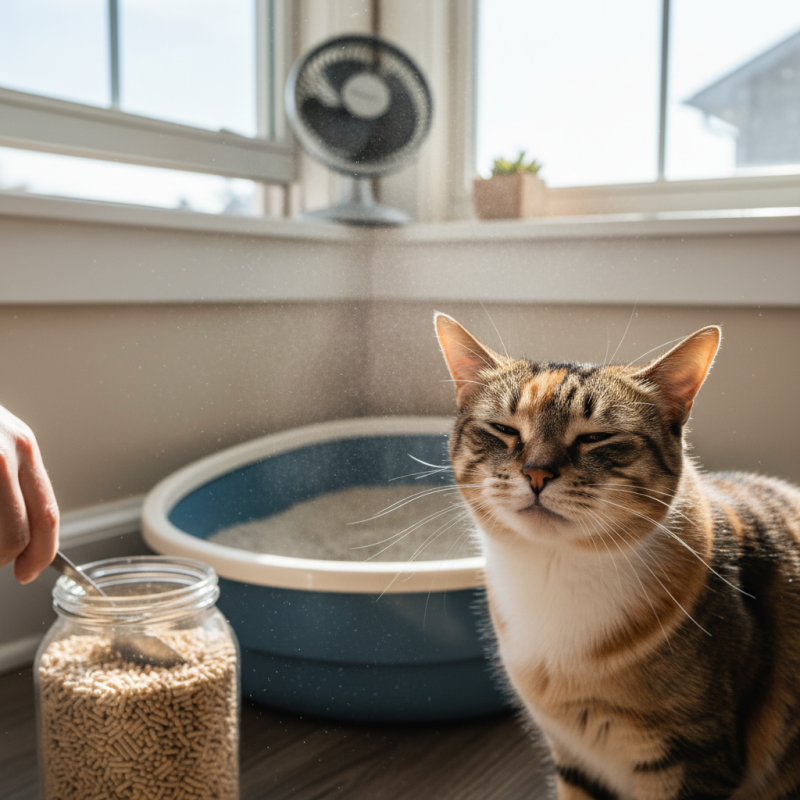
The choice of cat litter can significantly affect pet respiratory health. Many common materials, such as clay-based litters, contain fine dust particles. When inhaled, these particles can irritate your cat's lungs and lead to respiratory issues. A study by the Journal of Feline Medicine and Surgery found that cats using clay litter had a higher incidence of respiratory symptoms than those using alternative litters.
Alternative litter materials are becoming more popular. Composed of recycled paper or natural corn, they produce less dust. According to a report from the American Veterinary Medical Association, these litters create a safer environment for pets, potentially reducing the risk of asthma and allergies in sensitive animals. However, some owners may find these options less absorbent, leading to wet litter that can still impact air quality negatively.
Pet owners should also consider how changes in litter can affect behavior. Some cats may resist switching to a new litter type, leading to stress. Observations indicate that changes in litter can result in avoidance behaviors, impacting overall health. Pet owners must weigh the pros and cons of each litter type, learning to identify signs of respiratory distress. These considerations highlight the need for ongoing research in this area to improve pet well-being.
Cat litter can significantly affect the respiratory health of pets. Many common respiratory issues stem from the type of litter used. Some litters release fine particulates into the air. These can cause irritation in a pet's respiratory tract, leading to issues like sneezing and coughing. According to a study from the American Veterinary Medical Association, over 30% of pets suffer from some form of respiratory discomfort related to airborne particles from litter.
Cats are particularly sensitive. Their respiratory pathways are shorter and narrower than those of dogs. This makes them more susceptible to irritants. Clinical research indicates that pets exposed to dusty litters often show increased signs of asthma and bronchitis. A recent report highlighted that 40% of feline asthma cases are triggered by environmental factors, including litter dust. The choice of litter can make a notable difference in a pet's quality of life.
Owners should also be mindful of the litter’s scent additives. Many brands use chemicals for fragrance that can exacerbate respiratory problems. Pets have a keen sense of smell and may react negatively to strong scents. Observing their behavior can provide critical insights. For instance, if a cat begins to cough or avoids the litter box, it could signal discomfort. Monitoring these signs is essential for maintaining overall pet health.
Cat litter is often overlooked when discussing pet health, yet it plays a significant role in respiratory issues. Many types of cat litter produce dust. This dust can be harmful, especially for cats and their owners. Fine particles can become airborne, making them easy to inhale. Once inhaled, these particles may irritate the lungs. For pets already facing respiratory challenges, this can exacerbate their condition.
It's essential to remember how sensitive cats are. They rely heavily on their respiratory systems. Dust from litter can trigger coughing or sneezing. In some cases, a cat may develop chronic issues. Owners should look for low-dust options. Regular cleaning of the litter box can also help minimize airborne particles. Yet, despite efforts, some environments may still be problematic.
While this topic may seem minor, its impact can be profound. A pet’s respiratory health is crucial. Addressing litter dust is an easy step. However, many pet owners may not recognize the signs of respiratory distress. Increasing awareness can lead to better choices. Choosing the right cat litter is not just about convenience; it's about fostering a healthier life for your pet.
When selecting cat litter, it’s crucial to consider its impact on respiratory health. Many traditional cat litters produce dust that can irritate both pets and their owners. Fine particles can become airborne, exacerbating conditions like asthma or allergic reactions. Opting for low-dust cat litter is a wise choice. This type often uses denser materials or specific formulations that minimize dust.
Low-dust options provide a safer environment for all. They help maintain cleaner air quality in your home. It's essential to regularly clean the litter box to further reduce the risk of respiratory issues. Some pet owners might overlook this, leading to lingering odors and dust accumulation. Striking a balance between effective odor control and minimal dust should be a priority.
Every cat reacts differently. While some may tolerate certain litters well, others might not. Watching your cat's behavior can offer insight into their comfort level. It's okay if a low-dust option doesn't completely eliminate respiratory concerns. Continuous reflection on your cat's litter type can lead to improved health choices.
Managing cat litter effectively is crucial for your pet's respiratory health. Many litter types release dust particles when disturbed. This dust can irritate the lungs and lead to respiratory issues, especially in sensitive cats. Choosing low-dust litter options can significantly reduce this risk.
Regular cleaning routines also play a vital role. It’s essential to scoop out waste daily and change the litter regularly. A clean litter box not only prevents odors but helps maintain both your cat's physical and respiratory health. You might want to consider using a covered litter box to contain dust, but make sure to provide adequate ventilation.
Pay attention to your cat's behavior. If your pet shows signs of coughing or sneezing, it might be worth re-evaluating your choice of litter. Experiment with different materials, as some cats may have individual sensitivities. This process can require some trial and error, and that’s okay. Listening and responding to your pet's needs will foster a healthier home environment.
: Cat litter can release fine dust particles that irritate a pet's respiratory system. This can lead to coughing and sneezing.
Cats are particularly sensitive due to their shorter respiratory pathways. They often experience more respiratory discomfort than dogs.
Opt for low-dust options. This can significantly reduce the risk of respiratory issues for your pet.
Regular cleaning is essential. Scoop waste daily and change the litter frequently to minimize dust and odors.
Coughing, sneezing, or avoiding the litter box can signal discomfort. It's crucial to monitor these behaviors closely.
Yes, many scented litters use chemicals that can aggravate respiratory problems. Strong scents can affect pets more than humans.
Aim to scoop daily and change the litter completely at least once a week. This promotes better respiratory health.
Yes, if pets are exposed to irritants repeatedly, they may develop chronic respiratory conditions over time.
Consider trying different materials. Some cats have unique sensitivities, and adjusting the litter might be necessary.
This issue may seem trivial, but its effects on overall pet health can be significant. Awareness is key to better choices.
The article "How Does Cat Litter Impact Pet Respiratory Health?" explores the significant effects that different cat litter materials can have on the respiratory well-being of pets. It highlights various respiratory issues commonly observed in pets, such as allergies and infections, which can arise from exposure to dust and particulates found in traditional cat litter. The article emphasizes how cat litter affects pet respiratory health, particularly through the inhalation of harmful particles that may trigger or exacerbate respiratory conditions.
To mitigate these risks, the article suggests choosing low-dust cat litter options and provides practical tips for managing litter effectively to promote optimal pet wellness. By being mindful of the type of litter used and regularly maintaining a clean litter box, pet owners can significantly improve their furry friends' respiratory health and overall quality of life.

Purr Pet