What Causes Strong Litter Box Odor and How to Eliminate It?

Time:2026-05-11 Author:Mason
0%

The litter box is essential for cat owners. However, it often produces strong odors that can permeate living spaces. Understanding what causes strong litter box odor is crucial for maintaining a fresh home environment. Common factors include litter type, maintenance frequency, and the cat's diet.

Poor cleaning practices lead to lingering smells. Neglecting to scoop waste daily can create a pungent buildup. Additionally, some litters trap odor better than others. Experimenting with different brands may reveal a more effective option.

A cat's diet also influences litter box odor. High-protein foods often result in stronger-smelling waste. Observing your cat's eating habits can provide insight. Even changing a few habits can greatly improve the situation. It's an ongoing journey, demanding attention and commitment from the owner. Implementing small adjustments can lead to noticeable results.
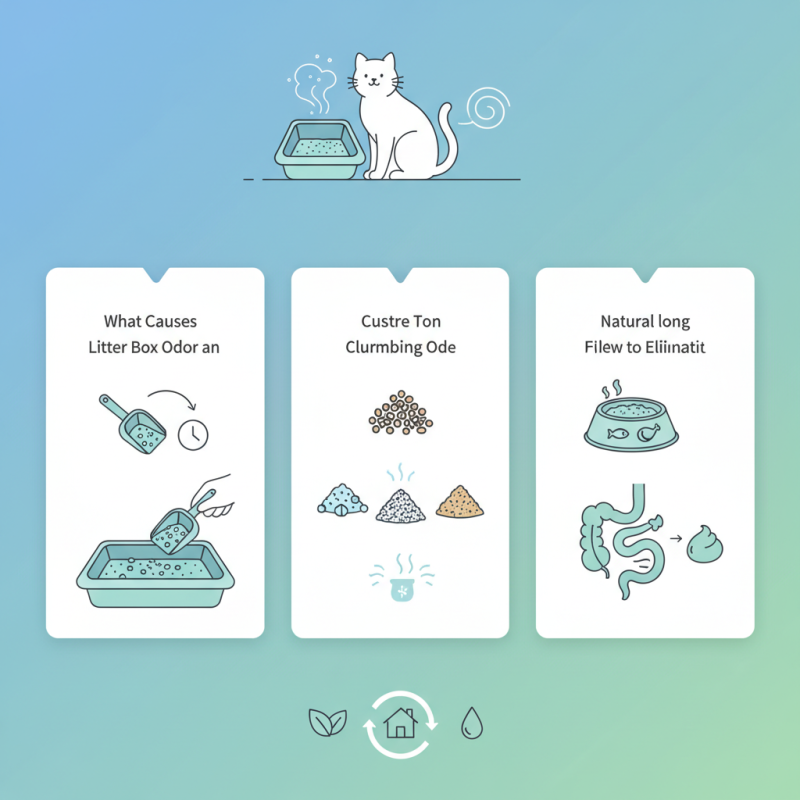
What Causes Strong Litter Box Odor and How to Eliminate It?

What Causes Strong Litter Box Odor? Understanding the Science Behind It

Strong litter box odor can be a significant issue for pet owners. Understanding what causes it can help in managing the smell. Often, the odor results from the breakdown of urine and feces. Bacteria thrive in litter, producing ammonia and other pungent compounds. These compounds emit strong scents that can linger in your home.

Maintaining cleanliness is essential. Regular scooping can help minimize the buildup of waste. This should be done daily. It's recommended to change the litter entirely once a week. A thorough cleaning of the litter box with warm water and mild soap can help eliminate residual smells.

Tips: Consider using unscented litter, as artificial fragrances may not mask odors effectively. Additionally, ensure proper ventilation in the area where the box is placed. Fresh air circulation can greatly reduce odor intensity. Be mindful that if the smell persists despite your efforts, it might indicate underlying health issues in your cat.

What Causes Strong Litter Box Odor and How to Eliminate It?

Cause Description Prevention/Elimination Method
Type of Litter Certain types of litter, especially those made from clay, can retain odors. Consider using litters designed for odor control, such as those made from natural materials.
Infrequent Cleaning Not scooping the litter box daily can lead to buildup of waste and strong odors. Scoop the litter box at least once a day and perform a full clean once a week.
Wet or Clumping Litter Moisture can cause clumping litters to break down, leading to odors. Ensure the box is kept dry and consider a litter that neutralizes moisture.
Health Issues Certain health problems in cats can cause stronger smelling waste. Regular vet check-ups can help identify potential health issues early.
Old Litter Box Over time, litter boxes can retain odors even after cleaning. Consider replacing the litter box every 6-12 months to reduce odors.

The Role of Urine Composition in Litter Box Odor: Key Chemical Factors

The composition of cat urine plays a significant role in the unpleasant odor from litter boxes. A study by the American Veterinary Medical Association reveals that cat urine is primarily composed of urea, creatinine, uric acid, and various electrolytes. These compounds break down over time, leading to the strong smell that many pet owners experience. Specifically, urea converts to ammonia, which is a key contributor to odor.

Ammonia is particularly volatile, which means it easily evaporates and becomes detectable in the air. According to research published in the Journal of Applied Animal Welfare Science, over 60% of cat owners report difficulties with litter box odor, mainly due to the high concentration of nitrogenous waste in urine. The pH levels of urine can also increase due to diet and hydration, intensifying the scent. For instance, a more alkaline environment can worsen the smell of ammonia.

To mitigate litter box odor, several approaches can be taken. Regular cleaning is essential but may not always suffice. Many experts recommend using clumping litters that encapsulate moisture and odor. Additionally, incorporating natural odor absorbers, like baking soda, can help. Understanding the chemical makeup of cat urine helps in developing more effective litter solutions, further reducing unpleasant odors. Recognizing these factors can lead to a more pleasant environment for both cats and their owners.

Factors Contributing to Litter Box Odor

This bar chart illustrates the concentration of key chemical factors contributing to litter box odor, including Urea, Creatinine, Urinary Ammonia, Sodium, and Phosphates. Understanding these concentrations can help pet owners manage and eliminate unpleasant odors.

Bacterial Growth: How Microorganisms Contribute to Litter Box Smells

Bacterial growth plays a crucial role in creating strong litter box odors. When a cat uses the litter box, urine and feces provide an ideal environment for bacteria to thrive. A study published in the Journal of Feline Medicine & Surgery noted that the ammonia produced from the breakdown of urine by bacteria is primarily responsible for the pungent smell.

As bacteria multiply, they release volatile organic compounds (VOCs), which contribute to the unpleasant odor. These compounds can linger in the air, making the entire room smell foul. The American Journal of Veterinary Research indicates that proper cleaning might reduce bacterial populations, but if not done effectively, odors can persist. Cleaning the box at least once a day can significantly impact the level of bacteria.

Poor ventilation also exacerbates the issue. When litter boxes are kept in enclosed spaces, odors can accumulate. Additionally, using low-quality litter can trap moisture and foster bacterial growth. It is essential to reflect on how often the box is cleaned and the type of litter used. Some litter types are designed to minimize odors but may not address underlying bacterial issues.

Choosing the Right Litter: Evaluating Materials for Odor Control

Choosing the right litter is crucial for effective odor control in your cat's litter box. Various materials can impact how well odors are managed. For example, clay-based litters are popular due to their clumping abilities, which isolate waste. However, they may not always neutralize odors effectively. Many pet owners find that hypoallergenic options, made from natural materials, provide better results.

Biodegradable litters, such as those made from wood or recycled paper, offer another alternative. They often have natural scent-absorbing properties. This can help cut down on unpleasant smells. Still, not all biodegradable options are created equal. Some may break down too quickly, leading to odor issues and requiring more frequent changes.

The key is to experiment with different types of litter. Keep a close eye on how they perform in your specific situation. Regular cleaning is important, regardless of the litter you choose. It can significantly reduce odors. Understanding how each material interacts with your cat’s waste is essential. Finding the right balance may take time, and adjusting your approach may be necessary.

Effective Cleaning Techniques: Strategies to Minimize Litter Box Odor

Litter box odor can be a persistent problem for cat owners. Addressing this issue requires effective cleaning techniques that minimize odors and promote a healthier environment. One study indicates that 60% of cat owners report strong odors emanating from their litter boxes at least once a week. This can be attributed to various factors, including the type of litter used, the frequency of cleaning, and the overall hygiene of the litter box.

Regular cleaning is crucial. Research suggests that scooping the litter box daily can reduce odor significantly. Many experts recommend completely emptying and washing the box weekly. Use hot water and a pet-safe detergent. Avoid harsh chemicals that may linger and affect your cat. It’s also essential to replace the litter with fresh, unscented options. Scented litters can mask odors temporarily but may create an aversion for some cats.

In addition to cleanliness, consider the litter box's location. Placing the box in a well-ventilated area can drastically improve air quality and reduce smells. It’s also vital to reflect on the box size and number. A general guideline is one box per cat, plus one extra. Problems can arise when boxes are overcrowded or not spacious enough. Understanding these factors allows cat owners to maintain a more pleasant living environment for both their pets and themselves.

FAQS

: What causes strong litter box odor?

: Strong odor usually comes from bacteria breaking down urine and feces, producing ammonia and other compounds.

How often should I scoop the litter box?

It is ideal to scoop daily to minimize waste buildup and control odors effectively.

How often should I change the litter completely?

Changing the litter entirely once a week can help eliminate residual smells and improve hygiene.

What cleaning method works best for the litter box?

Clean the litter box with warm water and mild soap to effectively remove lingering odors.

Should I use scented or unscented litter?

Unscented litter may be better, as artificial fragrances often fail to mask odors effectively.

How can I reduce litter box odor in my home?

Ensure proper ventilation in the area where the litter box is placed for better air circulation.

What if the odor persists despite cleaning?

Persistent smell may indicate health issues in your cat, requiring a vet's attention.

Are all biodegradable litters effective for odor control?

Not all biodegradable options perform equally; some break down quickly, leading to more odor issues.

How can I choose the right litter for my cat?

Experiment with different types of litter and monitor how well they manage odors in your setting.

Is regular cleaning necessary regardless of litter type?

Yes, regular cleaning is crucial for managing odors effectively, irrespective of the litter you choose.

Conclusion

The article "What Causes Strong Litter Box Odor and How to Eliminate It?" delves into the various factors contributing to unpleasant smells from litter boxes. It begins by exploring what causes strong litter box odor, focusing on the chemical composition of urine, which contains compounds that can lead to odor when not properly managed. Additionally, the role of bacteria is highlighted, as microbial growth can exacerbate these odors through the breakdown of waste materials.

To combat these odors, the article discusses the importance of choosing the right litter materials that effectively control smells. It also outlines effective cleaning techniques to minimize the buildup of odor, emphasizing the necessity of regular maintenance for a fresher environment. By understanding and addressing these factors, pet owners can significantly reduce litter box odors and ensure a more pleasant living space.

Mason

Mason

Mason is a seasoned marketing professional with a deep expertise in the company's offerings and a passion for driving brand awareness. With a strong background in digital marketing strategies, he has an innate ability to connect with diverse audiences and effectively communicate product benefits.......