Choosing sustainable cat litter is essential for environmentally conscious pet owners. With increasing awareness about ecological impact, understanding what makes cat litter sustainable is crucial. Dr. Lisa Henson, a leading expert in sustainable pet products, emphasizes, "Sustainable cat litter not only benefits the environment but also enhances pet health".
Sustainable cat litter options often include materials such as recycled paper, corn, or wheat. These products break down naturally and reduce landfill waste. Many conventional litters contain harmful chemicals like sodium bentonite. Therefore, selecting an eco-friendly alternative is healthier for your cat and safer for the planet.
However, navigating the options can be overwhelming. Factors like absorbency, odor control, and texture matter greatly. Not all sustainable litters perform equally. Some may not clump well or require frequent changes. It’s essential to test different brands. Pet owners might need to invest time to find the right fit that balances sustainability and practicality. This process can lead to valuable insights about pet care and environmental responsibility.
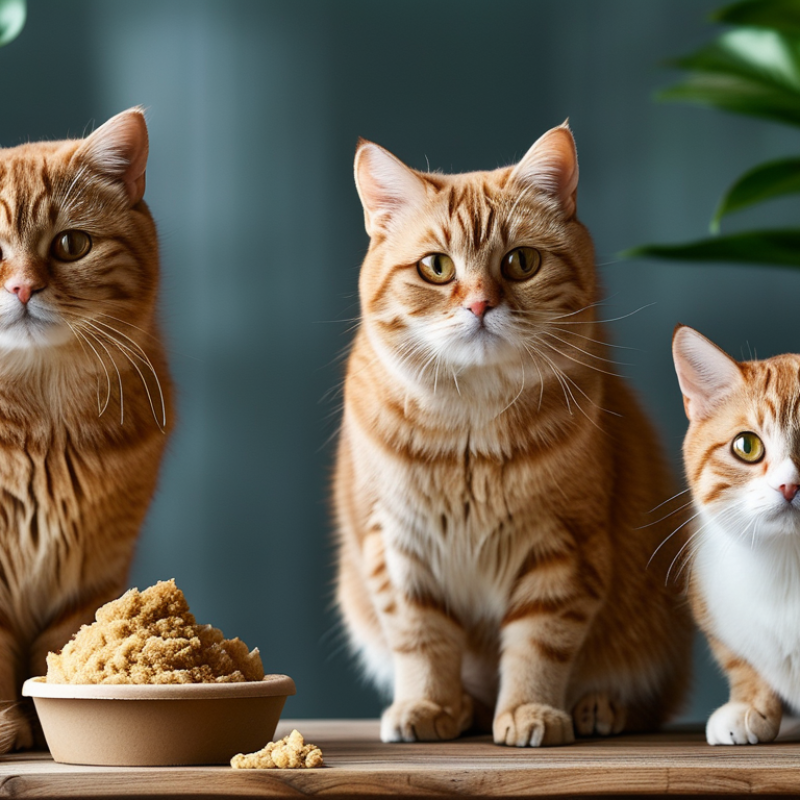
Understanding the Importance of Sustainable Cat Litter
Understanding the importance of sustainable cat litter is crucial for pet owners who care about the environment. Traditional cat litters often contain harmful chemicals and contribute to landfill waste. By choosing sustainable options, you can reduce your ecological footprint. Many alternatives use natural materials, like recycled paper, pine, or corn. These options break down more easily and have less impact on the planet.
Moreover, sustainable cat litter is often more beneficial for your cat’s health. Natural litters are typically free from synthetic additives, which can irritate pets. Some biodegradable litters even offer better odor control. However, not all sustainable products perform the same. Some clump poorly or don’t absorb moisture well. It’s essential to test different types to find one that suits you and your cat.
It's easy to overlook these details in the rush of everyday life. The connection between your cat's hygiene and environmental sustainability is vital. Reflecting on your choices can lead to better habits for you and your pet. The journey toward sustainability can be imperfect and requires patience. Each small change can create a positive impact over time.
Types of Sustainable Materials Used in Cat Litter
When choosing sustainable cat litter, it’s essential to explore various natural materials available. Many environmentally friendly litters come from plant-based sources. This includes options like recycled paper, wood pellets, and corn. These materials are biodegradable and can significantly reduce your ecological footprint.
Recycled paper litter is made from old newspapers or other paper products. It is soft and gentle on your cat’s paws. However, it may not control odors as effectively as some other types. Wood pellets, on the other hand, absorb moisture well and have a pleasant scent. They break down into sawdust when wet, which is a great indicator but can create a bit of a mess.
Corn-based litters are popular for their clumping ability and low dust levels. They provide excellent odor control, but sourcing corn sustainably can be an issue. Each type has its pros and cons, making it crucial to consider not only your cat’s needs but also the environmental impact. Before making a choice, reflect on what fits your lifestyle and values best. Checking certifications of materials used can build trust in your selection.
Types of Sustainable Materials Used in Cat Litter
Evaluating Environmental Impact of Different Cat Litter Options
Choosing sustainable cat litter requires careful evaluation of its environmental impact. Various options, from clay to plant-based materials, each have unique ecological footprints. For example, clay litter is often mined, leading to habitat destruction. It is non-biodegradable and contributes to landfill waste. With millions of cat owners, the cumulative effect is significant.
In contrast, alternatives made from recycled paper or corn may offer more sustainable profiles. These materials often break down more easily, supporting composting efforts. However, they might not control odors as effectively. This trade-off is important for pet owners who prioritize both eco-friendliness and functionality.
Research shows that litter choice can reflect broader environmental practices. A commitment to sustainability in pet care can foster awareness about waste management. Engaging in this conversation helps push the industry toward better practices. Understanding these factors empowers consumers to make informed choices while caring for their pets.
Assessing Performance and Safety of Sustainable Cat Litters
Choosing sustainable cat litter involves careful assessment of its performance and safety. Start by examining the materials used in the litter. Many sustainable options come from natural sources like wood, corn, or recycled paper. These materials often break down better than traditional clay litters, benefiting the environment.
Performance is crucial. Assess how well the litter absorbs moisture and controls odors. Some litters clump together well, making cleanup easier. Others may need more frequent changes, affecting your daily routine. Pay attention to how your cat reacts. Some pets may prefer certain textures over others. Observing their behavior can provide insight.
Safety is paramount for both pets and humans. Ensure that the litter is free from harmful chemicals. Read labels carefully for any additives. While many sustainable litters are marketed as safe, not all options are created equal. It's important to remain skeptical and do thorough research. Your choice impacts not just your cat's health, but also the environment.
Tips for Transitioning Your Cat to Sustainable Litter Choices
Transitioning your cat to sustainable litter can be a rewarding process, but it requires patience. Start by mixing small amounts of the new litter with the old. This lets your cat adjust gradually. Monitor their reaction closely. If they seem unsure, reduce the new litter's proportion. Cats can be picky about their bathroom habits.
Some cats may not like the texture or scent of new litter. This is normal. If your cat refuses to use the litter box, it might be necessary to switch back temporarily. Observe your cat's preferences and adjust accordingly. You can try different materials—like wood, paper, or corn-based—to find what suits your pet best.
Be prepared for some mess during this transition. It might take time for your cat to embrace the change. Clean the litter box regularly to maintain hygiene. Positive reinforcement is key; reward your cat with treats when they use the new litter successfully. This creates a positive association with the change. Ultimately, the goal is to support your cat's comfort while making a sustainable choice.
FAQS
: Evaluate the environmental impact and materials used in the litter.
Clay litter is often mined, causing habitat destruction and is non-biodegradable.
Yes, alternatives like recycled paper or corn are more eco-friendly and biodegradable.
Plant-based litters may break down better but might not control odors as effectively.
It affects absorption, odor control, and the ease of cleanup.
Check for harmful chemicals and additives by reading labels carefully.
Pay attention to their reactions and preferences for texture and performance.
Yes, selecting sustainable options encourages awareness about waste management practices.
Not necessarily; do thorough research as not all options are equally safe.
Some may sacrifice odor control for better environmental impact.
Conclusion
Choosing sustainable cat litter is an essential decision for pet owners who are mindful of their environmental footprint. The article emphasizes the importance of understanding what makes cat litter sustainable, focusing on materials that are biodegradable, compostable, and sourced responsibly. It explores various types of sustainable materials, such as recycled paper, wood pellets, and corn-based litters, each of which offers unique benefits for both pets and the planet.
Evaluating the environmental impact of different cat litter options is crucial, as some alternatives can contribute significantly less to landfill waste. Additionally, the article assesses the performance and safety of these sustainable options, ensuring they meet the needs of both cats and their owners. Finally, practical tips for transitioning a cat to new litter choices help ease the process, promoting a more sustainable lifestyle for pet care. By considering these factors, pet owners can make informed decisions that support a healthier planet while providing comfort to their pets.

 Purr Pet