Choosing the best cat litter for indoor cats is crucial for both pet owners and their feline companions. According to the American Pet Products Association, approximately 70% of cat owners consider litter type an important factor in their pet's well-being. When it comes to how to choose the best cat litter for indoor cats, various factors can influence your decision. Not all litters are created equal; some are more absorbent, while others control odors better or are more environmentally friendly.
Dr. Sarah Smith, a renowned veterinary behavioral specialist, states, "A cat's litter box is a sanctuary. The right litter can promote better habits." Factors such as texture, dust content, and odor control can impact your cat’s willingness to use the litter box. Cats are sensitive creatures, and a poor choice may lead to undesirable behaviors. Studies suggest that clay, crystal, and natural litters all have their pros and cons.
Taking the time to research and evaluate your options can lead to happier cats and less mess. It’s important to remember that what works for one cat might not work for another. Experimentation may be part of the journey, but finding the right litter should ultimately enhance your indoor cat's quality of life.
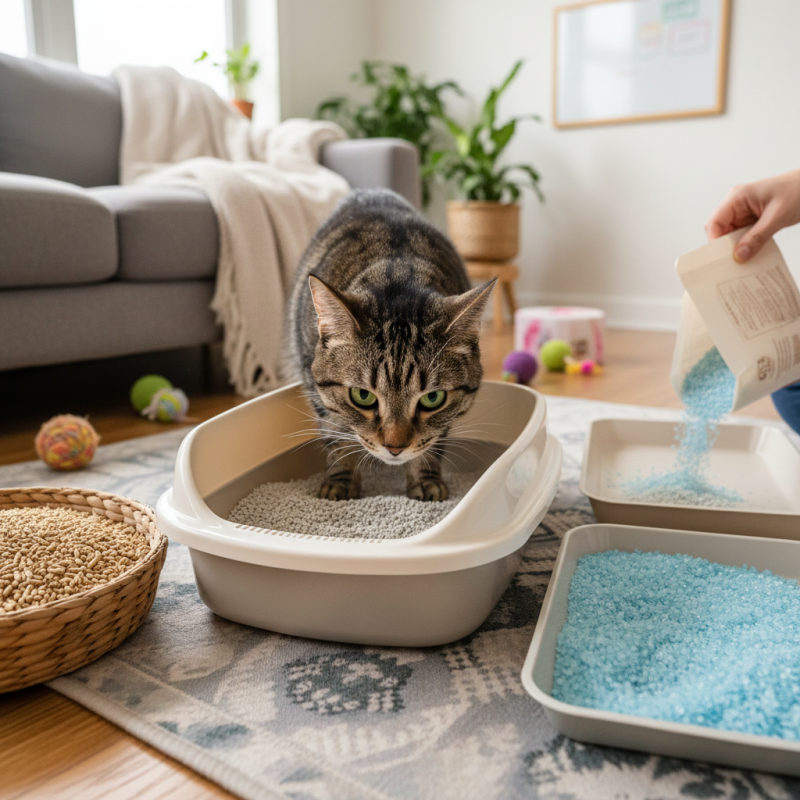
When choosing the best cat litter for indoor cats, understanding the different types available is essential. Cat litter generally falls into several categories: clumping, non-clumping, crystal, biodegradable, and recycled paper. A report from the Pet Industry Distributors Association indicates that clumping litters, made from clay, are popular due to their ease of use. They absorb moisture and form solid clumps, making cleanup simple. However, these litters may create dust that irritates both cats and their owners.
On the other hand, non-clumping litters absorb moisture but do not form clumps. They require more frequent changing, sometimes resulting in unpleasant odors. Crystal litters, made from silica, offer excellent moisture control. Yet, they may lack odor control, leaving a scent behind. Biodegradable options have gained traction in recent years. Materials like corn or wheat are used here. While more environmentally friendly, they sometimes come at a higher price and may not control odors as effectively.
There are pros and cons to each type. For instance, clumping litters are easier to manage but may not be suitable for kittens. The absorbency of non-clumping litters requires more attention. Consider your cat's needs when selecting a litter type. Some cats may prefer a specific texture, making trial and error necessary. Ultimately, the right choice balances convenience, odor control, and your cat's comfort.
When choosing cat litter, absorbency and odor control features are crucial. A study found that about 33% of cat owners prioritize these factors when selecting litter. High absorbency is essential for keeping the litter box dry. Litter that clumps well often helps. This allows easy clean-up and retains moisture within the clumps. Some litters can absorb up to three times their weight in moisture. This statistic underscores the importance of testing absorbency before making a choice.
Odor control is another area of concern. Many litters use natural ingredients, like baking soda, for effectiveness. A survey indicated that about 70% of cat owners were dissatisfied with odor retention in their current products. Some litters succeed better than others in trapping odors. However, even the best options may still require daily cleaning. It's essential to remember that factors like humidity and frequency of cleaning can influence odor levels. Reflecting on these aspects helps in selecting litter that meets the needs of both cat and owner.
| Litter Type | Absorbency Rating | Odor Control Rating | Dust Level | Clumping Ability |
|---|---|---|---|---|
| Clay | High | Moderate | Low | Excellent |
| Clumping Clay | Very High | High | Low | Excellent |
| Crystal | Moderate | Very High | Very Low | Poor |
| Biodegradable | High | Moderate | Low | Moderate |
| Organic | Moderate | High | Moderate | Good |
Choosing the right cat litter for indoor cats involves considering safe materials. Many litters are made from natural substances like corn, wheat, and recycled paper. These options are soft on your cat's paws and free of harmful chemicals. Some litters even have a pleasant scent, making them more appealing.
However, not all natural litter options are perfect. Some cats may be sensitive to certain materials. For instance, wheat litter can cause allergies in some felines. It's essential to monitor your cat's behavior after trying a new type of litter. If your cat is sneezing or avoiding the litter box, it may be time for a change.
Clumping litters are popular, but not all cats like them. The texture can be too gritty for some. When selecting a litter, think about what your cat prefers. Try different textures and watch their reactions. The goal is to create a comfortable bathroom environment. With a bit of patience, finding the best litter can be a rewarding experience.
When selecting cat litter for indoor cats, dust production and allergies are crucial factors to consider. A study conducted by the Journal of Feline Medicine and Surgery shows that many litters emit significant dust, which can trigger respiratory issues in both cats and humans. Dust can exacerbate allergies, affecting your cat's health and your family’s well-being.
Clay litters, especially those made from sodium bentonite, often generate high levels of dust. A report highlighted that 40% of cat owners noticed increased sneezing or coughing in their pets when using traditional clay litters. Moreover, alternative options like paper or wood-based litters typically produce less dust and are hypoallergenic. However, they may not clump as effectively, leaving room for potential odor issues.
Choosing the right litter can be challenging. While low-dust options are often preferred, they may not have the same moisture-absorbing capabilities as high-dust varieties. Balancing dust and odor control can lead to difficult choices. For example, some owners report dissatisfaction with odor control in low-dust products. It's essential to weigh the advantages and disadvantages of each type. Understanding your cat's needs can help guide this decision.
Transitioning your cat to a new litter type can be challenging yet necessary. Studies indicate that nearly 30% of cats refuse to use new litter if introduced too abruptly. To ease this transition, consider mixing the old litter with the new one. A ratio of 75% old to 25% new can create a familiar environment. Gradually increasing the proportion of new litter can help your cat adapt.
Provide a quiet space during this period. Cats are sensitive to changes in their environment. Disruptions can lead to anxiety, resulting in litter box aversion. Some experts recommend introducing the new litter in a separate box. This allows your cat to explore the new texture without pressure.
Monitor your cat's behavior closely. Signs of discomfort include avoiding the box or changes in bathroom habits. If your cat shows reluctance, revert to the old litter temporarily. Gradually try again after a week or two. Always be patient, as some cats may take longer to adjust than others. Aim for a positive experience rather than a forced change.
: Focus on absorbency and odor control features. These are crucial for a clean litter box.
Some litters can absorb up to three times their weight in moisture. Testing absorbency is essential.
Many cat owners are dissatisfied with odor retention. Effective odor control enhances the living environment.
High dust levels can trigger respiratory issues in cats and humans. It can also worsen allergies.
Paper or wood-based litters usually produce less dust and are hypoallergenic. However, they may not clump well.
Mix old litter with new litter first. Start with a 75% to 25% ratio to ease the change.
Monitor their behavior. If they avoid the box, return to the old litter and try again later.
Yes, a calm environment helps reduce anxiety and facilitates adaptation to the new litter type.
Some cats may adjust quickly, while others take longer. Patience is key for a positive experience.
Yes, placing new litter in a different box allows exploration without pressure. This can ease the transition.
When considering how to choose the best cat litter for indoor cats, it's essential to understand the various types of litter available, such as clumping, non-clumping, and natural options. Evaluating features like absorbency and odor control can significantly impact your cat's comfort and hygiene. Additionally, it's crucial to select materials that are safe for indoor use, keeping in mind any sensitivities your cat may have.
Assessing dust production is another vital factor, as dust can aggravate allergies for both cats and owners. Finally, if you decide to switch litters, implementing tips for transitioning your cat can help ease the adjustment process and ensure a smooth changeover. By carefully considering these factors, you'll be better equipped to make an informed decision for your feline friend.

Purr Pet