How to Choose the Best Cat Litter for Multi Cat Homes?

Time:2026-05-03 Author:Aria
0%

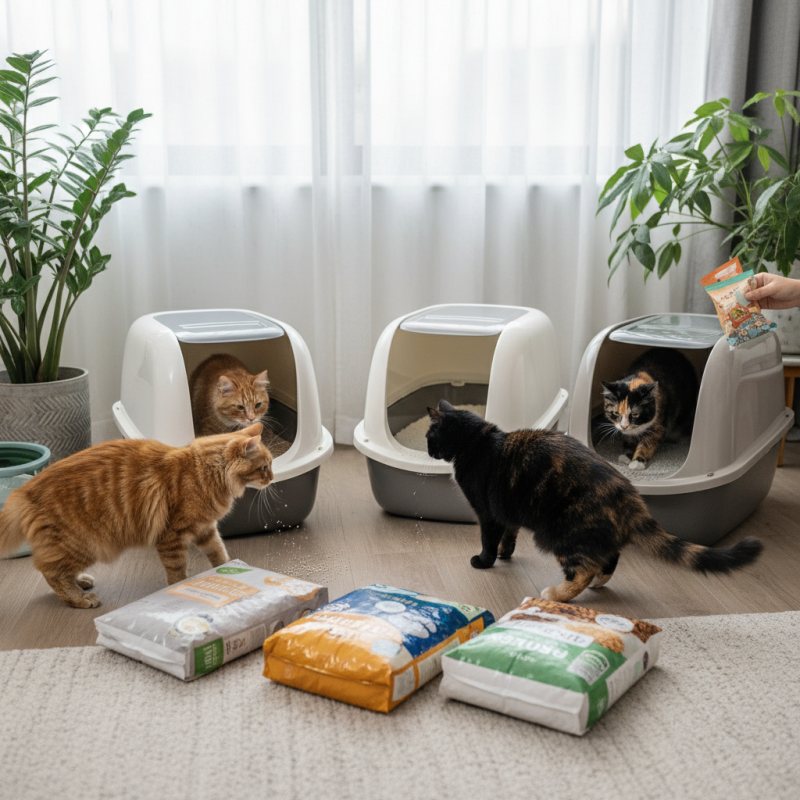
Choosing the right cat litter for multi-cat homes is crucial. With several cats sharing one litter box, selecting the most effective product becomes challenging. What cat litter works best for multi-cat homes? This question demands careful consideration of various factors.

Many cat owners struggle with unpleasant odors and frequent litter changes. Performance can vary significantly between brands and types. You may find clumping clay, silica gel, or natural options. Each has its advantages and disadvantages. Experience shows that clumping litter often contains strong odor-control properties. However, some cats have preferences that are not easy to understand.

It’s essential to observe your cats' behaviors. Some may refuse to use certain types of litter. Test different options but be prepared for a bit of trial and error. The goal is to create a comfortable environment for all your furry friends. Ultimately, the best choice minimizes mess and maximizes satisfaction for both you and your cats.
How to Choose the Best Cat Litter for Multi Cat Homes?

Factors to Consider When Choosing Cat Litter for Multi-Cat Homes

When selecting cat litter for multi-cat homes, several factors warrant consideration. One key aspect is odor control. A study indicated that effective litter can reduce foul smells by up to 80%. This is crucial in multi-cat environments, where scents can accumulate quickly. Options like clumping clay or crystal litters are often recommended for better odor management.

Texture and material also play a vital role. Many cats prefer fine-grained litter for comfort. A survey shows that 90% of cat owners find their pets hesitant to use litter boxes with abrasive materials. Thus, it’s essential to choose a litter that caters to all cats’ preferences. Additionally, you may need to experiment with litter types to identify what works best for your feline companions. Some litters may seem fluffy but can create tracking issues.

The absorption capacity is another important factor. Multi-cat households often require higher absorbency to handle increased waste. Products that claim to absorb moisture five times more effectively than standard options could help in reducing cleanup time. However, it’s vital to reflect on your cleaning routine, as neglecting regular maintenance can lead to litter box aversion among cats.

Types of Cat Litter: Clay, Biodegradable, and Crystal Options

Choosing the right cat litter is crucial for multi-cat homes. There are three main types: clay, biodegradable, and crystal. Each type has its pros and cons, which can significantly impact the well-being of your cats.

Clay litter is commonly used due to its clumping abilities. Cats generally prefer its texture. However, it can create dust, which may affect their respiratory health. A study found that 50% of cat owners reported their pets had respiratory issues related to dusty litters. Consider your cats’ needs before opting for clay.

Biodegradable litters offer an eco-friendly alternative. Made from materials like corn, wheat, or recycled paper, they break down naturally. While many claim these options reduce odor, some cat owners find they do not absorb as effectively. This may require more frequent changes, which can be a hassle.

Crystal litters are absorbent and control odors well. They’re low in dust and last longer than traditional clays. Still, some cats prefer not to walk on the harder crystals, which can be a turn-off. It's essential to observe your cats’ preferences.

Tips: Monitor your cats' reactions. Their comfort is key. Test different types to find one that works best. Always keep the litter box clean to maintain your cats' interest.

How to Choose the Best Cat Litter for Multi Cat Homes?

Type of Cat Litter Material Odor Control Clumping Ability Dust Levels Environmentally Friendly Price Range
Clay Litter Natural Clay Excellent Good Medium No $10 - $25
Biodegradable Litter Plant-based Materials Good Varies Low Yes $15 - $30
Crystal Litter Silica Gel Good Fair Very Low No $10 - $20
Recycled Paper Litter Recycled Paper Fair No Very Low Yes $12 - $25

Odor Control Solutions: Importance for Multiple Cat Environments

Choosing the right cat litter for homes with multiple cats is crucial, especially regarding odor control. With multiple cats, litter boxes can quickly become a source of unpleasant smells. Effective odor control is essential not just for a pleasant home but also for your cats' health and comfort. The right litter can minimize odors and keep your living space fresh.

Consider using clumping litters that absorb moisture and odors efficiently. These types of litters form solid clumps when wet. This feature makes cleaning easier and helps in maintaining a hygienic environment. Frequent scooping is critical. Aim to scoop the litter boxes at least twice a day. This practice can significantly reduce odor buildup.

Another tip is to place litter boxes in well-ventilated areas. Good airflow helps dissipate odors more effectively. You may also want to experiment with different litter types. Some litters use natural ingredients that combat odors without harsh chemicals. If your cats seem to dislike a particular type, don’t hesitate to try something new. Providing your cats with a comfortable and odor-free space should be your priority.

Absorption Rates: Key Metrics for Multi-Cat Litter Performance

When it comes to multi-cat homes, choosing the right cat litter is crucial. The absorption rate is one of the most important metrics to consider. According to industry studies, clumping litters often score higher in absorption, retaining moisture and odors better. A report from the Pet Product Association indicates that absorption efficiency can vary significantly among different litter types, impacting both your cats’ comfort and your home's cleanliness.

The absorption rate you need depends on the number of cats. For homes with more than one cat, a litter with an absorption rate above 300% is often recommended. Such litters can prevent odor buildup and significantly reduce the frequency of litter box changes. In comparison, non-clumping litters typically show lower absorption, necessitating more frequent cleaning and increasing overall cost.

Tip: Always conduct an absorption test by pouring a small amount of water onto the litter. Watch how quickly it absorbs. Look for a litter that quickly clumps and minimizes wet spots. Testing multiple types is wise, as not all cats prefer the same texture.

Pay attention to your cats’ reactions. If they avoid the litter box, it may indicate dissatisfaction with the litter's absorption or scent control properties. Finding the right balance requires patience, as cats can be finicky about their bathroom habits.

Cost-Effectiveness: Evaluating Litter Choice for Multi-Cat Households

Choosing the right cat litter for multi-cat households is essential for managing both hygiene and costs. According to studies, 67% of cat owners prioritize cost-effectiveness when selecting litter. This is particularly important for homes with multiple felines. The cost can add up quickly when you consider that an average cat uses about 2-3 pounds of litter weekly. High-absorbency options may reduce waste but often come with a higher price tag.

Many owners overlook the long-term expense associated with litter. Opting for cheaper varieties may lead to increased frequency in changing litter, which can negate savings. A recent report noted that poor-quality litter can lead to more odors and require additional deodorizing products. This can drive up overall expenditures as well. Additionally, some litter types, like clay-based ones, can contribute to dust issues, potentially impacting the respiratory health of both cats and humans.

Finding the right balance between affordability and functionality is key. For example, biodegradable litters might have a higher upfront cost but could decrease waste and landfill contribution in the long run. Before finalizing a choice, it’s vital to evaluate personal priorities and cat preferences. Careful consideration can lead to a more cost-effective and healthier environment for everyone involved.

Cost-Effectiveness of Cat Litter Options for Multi-Cat Homes

This chart compares the monthly cost of different types of cat litter suitable for multi-cat households. Clay clumping litter tends to be the most expensive option, while pine litter is the most cost-effective.

FAQS

: What is a key factor to consider when choosing cat litter for multiple cats?

: Odor control is crucial. Good litter can reduce smells by up to 80%.

How does texture influence litter selection?

Cats prefer fine-grained litter for comfort. Rough materials can deter them from using the box.

Is it necessary to experiment with different litters?

Yes, each cat may have unique preferences. Testing various types helps find the best fit.

What is an important consideration regarding absorbency?

Multi-cat homes need high absorbency. Effective litter can absorb moisture five times better than standard options.

Do all cat litters have the same level of dust?

No, clay litter can create dust, impacting respiratory health. Some cats may face issues related to this.

What are biodegradable litters made from?

They are made from materials like corn, wheat, or recycled paper. They break down naturally.

Do biodegradable litters always control odor effectively?

Not always. Some users find they don't absorb moisture well, leading to more frequent changes.

How do crystal litters compare to traditional options?

Crystal litters are absorbent, low in dust, and last longer but may be less comfortable for some cats.

What should you regularly monitor regarding your cats' litter use?

Pay attention to their reactions and comfort. Clean the litter box often to maintain their interest.

Can neglecting litter maintenance affect cats?

Yes, poor maintenance may lead to litter box aversion. Regular cleaning is necessary for their happiness.

Conclusion

When selecting the best cat litter for multi-cat homes, several critical factors should be taken into account. First, the type of litter—ranging from clay to biodegradable and crystal options—plays a significant role in performance and user preference. Odor control is essential in households with multiple cats, as it impacts the living environment and maintains comfort for all inhabitants. Additionally, absorption rates are vital metrics that determine how well the litter manages waste, which can vary considerably across different products.

Cost-effectiveness is another important consideration for families with several cats, as litter expenses can accumulate quickly. Therefore, evaluating various options based on their performance, longevity, and price can help answer the question, "what cat litter works best for multi-cat homes?" Ultimately, finding a suitable litter involves weighing these factors to create a clean and pleasant atmosphere for both cats and their owners.

Aria

Aria

Aria is a dedicated marketing professional with a deep passion for innovative strategies and a keen understanding of our company's product offerings. With a wealth of experience in the industry, Aria excels at crafting engaging content that highlights the unique features and benefits of our......