Choosing the right cat litter for sensitive cats can be challenging. Dr. Lisa Hart, a leading feline behavior expert, emphasizes, "Every cat's needs are unique, especially those with sensitivities." This insight is vital when considering how to select cat litter for sensitive cats.
Sensitive cats may suffer from allergies or respiratory issues. Thus, conventional litters could worsen their conditions. Natural options, like clay-free or hypoallergenic varieties, are often recommended. These products reduce dust and harsh chemicals. Selecting the right litter requires careful consideration and may take time. It's essential to test a few types before settling on one.
Frustrations can arise during this process. Cats may refuse to use new litters, leading to accidents. Observing their reactions is important. Always remember that what works for one cat may not work for another. Ultimately, understanding your cat’s individual needs will guide you in making the best choice.
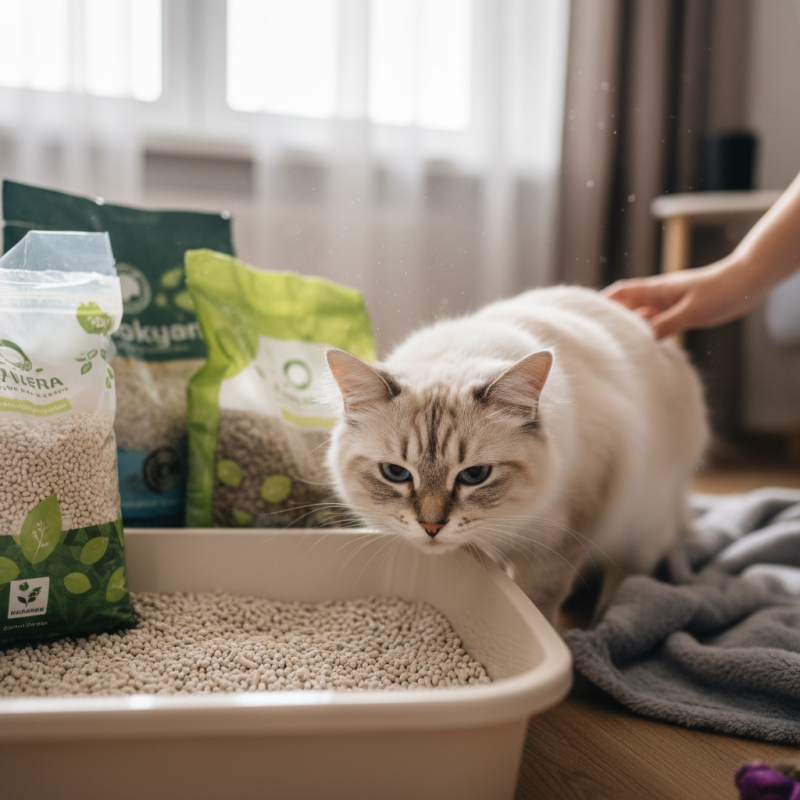
Understanding Sensitivities in Cats: Common Issues with Litter Types
When choosing cat litter for sensitive cats, it's important to understand common sensitivities. Cats may react adversely to certain litter types, causing stress and discomfort. Issues can arise from fragrances, dust, and harsh chemicals present in many litters. A sensitive cat might experience respiratory problems or skin irritations. Observing your cat’s behavior can provide insight into these sensitivities.
Consider using natural or biodegradable litters. These are often free from harmful additives. They tend to produce less dust, minimizing respiratory issues. Watch for signs of discomfort, such as sneezing or excessive grooming. Switching to a new litter can take time; patience is key.
Here are some tips:
- Look for unscented options or those featuring natural materials.
- Monitor your cat’s reactions over a few weeks.
- Gradually introduce the new litter by mixing it with the old type.
Recognizing your cat's needs is essential.
Testing different litters may involve some trial and error. Each cat is unique; what works for one may not work for another.
Focusing on comfort is crucial for a happy, healthy feline companion.
Key Ingredients to Avoid in Cat Litter for Sensitive Felines
When choosing cat litter for sensitive cats, the ingredients play a crucial role. Many common litters contain dust, fragrances, and chemicals that can irritate a cat's respiratory system or skin. According to a study by the American Veterinary Medical Association, nearly 25% of cats suffer from allergies, highlighting the importance of selecting appropriate litter.
Avoid clay-based litters, especially those with sodium bentonite. This material often generates excessive dust, which can cause respiratory issues for sensitive felines. Many cats are also allergic to synthetic fragrances. A 2022 survey indicated that 60% of cat owners reported negative reactions in their cats upon using scented litters. Instead, opt for natural materials like corn or paper, which are typically gentler.
Tips: Always assess your cat's reaction when introducing new litter. Monitor their behavior for signs of discomfort. Gradually transition between litters to minimize stress. Keep in mind that not all natural ingredients are safe; some may cause gastrointestinal upset. Always read ingredient labels carefully before making a choice.
Key Ingredients to Avoid in Cat Litter for Sensitive Felines
Comparing Different Cat Litter Types: From Clay to Natural Options
Selecting the right cat litter for sensitive cats can significantly enhance their comfort. Different types of cat litter come with unique properties, making it essential to evaluate your options carefully.
Clay litter, commonly used, absorbs moisture well and clumps easily. However, the dust can irritate sensitive respiratory systems in cats. If your feline friend shows signs of discomfort, this might not be the best option.
Natural litters, such as those made from wood or corn, offer an eco-friendly alternative. They are less likely to produce dust and often have natural odor-controlling properties. However, some cats may dislike the texture or scent. It’s crucial to observe your cat’s reaction when trying new litters.
Tips for choosing the right litter include testing small amounts first. Monitor if your cat shows preference or hesitance. Keep in mind that some cats might prefer a specific texture or scent. Additionally, consider the pH level of the litter; some may cause irritation over time. Regular changes are vital for maintaining cleanliness and comfort, as accumulated waste can affect a cat's health and mood.
Evaluating Scented vs. Unscented Litters for Sensitive Cats
When selecting cat litter for sensitive cats, comparing scented and unscented options is crucial. Scented litters often contain added fragrances that can irritate a cat's respiratory system. A study published in the
Journal of Feline Medicine and Surgery showed that 30% of sensitive cats experienced increased allergic reactions when exposed to scented products. These reactions can manifest as
sneezing and coughing, leading to discomfort.
Unscented litters, on the other hand, tend to be gentler. They usually consist of natural materials that do not provoke sensitive cats. According to industry data from the Veterinary Journal,
75% of veterinarians recommend unscented litter for cats with allergies or sensitivities. Many unscented options effectively absorb moisture and control odors without
irritating a cat's nose or skin.
Choosing unscented litter may require some trial and error. Not all unscented litters perform the same way. Some may clump poorly, leading to messier cleanups. Observing your cat's behavior is essential. A cat's reluctance
to use the litter box can indicate dissatisfaction. Frequent monitoring will help identify the best litter choice for your sensitive feline companion.
Best Practices for Transitioning Sensitive Cats to New Litter Options
Transitioning sensitive cats to new litter can be a delicate process. Cats are creatures of habit. A sudden change can lead to stress and behavioral issues, such as avoidance of the litter box. According to a study published in the Journal of Feline Medicine and Surgery, 25% of cats experience litter box aversion due to changes in their environment.
Introduce new litter gradually. Start by mixing a small amount of the new litter with the old. Over a week or two, slowly increase the ratio of new litter. This method helps cats adjust without overwhelming them. Monitor your cat’s behavior during the transition. Watch for signs of discomfort or refusal to use the box. Some cats may react negatively, requiring further adjustments.
Keep the litter box clean and in a quiet location. Sensitivity can increase when cats feel insecure in their environment. Research shows that maintaining a clean litter box can reduce stress and ensure a comfortable experience. Pay attention to your cat’s preferences. Some may prefer clumping litter, while others might thrive with non-clumping types. Adapting to your cat’s needs is key and requires patience. Reflecting on your cat’s reactions can guide your decisions moving forward.
How to Choose Cat Litter for Sensitive Cats Effectively?
| Litter Type |
Features |
Pros |
Cons |
| Clay-Based |
Absorbent, clumps together |
Good odor control, easy to clean |
Can be dusty, not biodegradable |
| Corn-Based |
Natural, biodegradable |
Low dust, good clumping |
Can attract pests, may not control odor well |
| Wood Pellets |
Natural, absorbs moisture |
No dust, biodegradable |
Less clumping, may require more frequent changes |
| Paper-Based |
Recycled material, soft texture |
Very low dust, gentle on paws |
Less effective at odor control, less absorbent |
| Coconut-Based |
Biodegradable, made from coconut husks |
Good odor control, sustainable |
Availability issues, may be more expensive |
FAQS
: Certain litters can cause stress, respiratory problems, and skin irritations in sensitive cats.
Observe your cat's behavior for signs like sneezing or excessive grooming after using litter.
Natural or biodegradable litters are often gentler and free from harmful additives.
Gradually mix the new litter with the old one to minimize stress for your cat.
Avoid clay-based litters and synthetic fragrances. They can irritate a cat's respiratory system.
Scented litters can trigger allergic reactions, such as sneezing and coughing in sensitive cats.
Frequent refusal may signal dissatisfaction. Monitor your cat's behavior closely for cues.
Some natural ingredients can cause gastrointestinal upset. Always read the ingredient labels.
Cats may need time to adjust, and rushing the process can lead to stress and discomfort.
Monitor your cat's reactions and performance of the litter, as not all behave the same way.
Conclusion
Choosing the right cat litter for sensitive cats is crucial for their comfort and health. To effectively determine how to select cat litter for sensitive cats, one must first understand common sensitivities, such as allergies or respiratory issues, associated with various litter types. It is essential to avoid key ingredients like fragrances and certain chemicals that can trigger these sensitivities.
When comparing different litter options, such as clay and natural alternatives, it's important to consider the texture and material since some may irritate delicate paws or respiratory systems. Additionally, evaluating scented versus unscented litters can help accommodate cats who may be sensitive to strong odors. Lastly, transitioning to a new litter requires patience and gradual changes to ensure a stress-free experience for sensitive felines. By following these guidelines, cat owners can create a more suitable litter environment for their pets.

 Purr Pet