When choosing the right cat litter, many pet owners face a daunting task. The market offers a wide array of materials, each claiming to be the best. Dr. Lisa McGowan, a leading expert in feline behavior, noted, “Understanding how different cat litter materials compare is vital for a happy cat.” This highlights the importance of making an informed choice.
Different types of cat litter can affect your cat's wellbeing. Clay-based litters are popular due to their absorbency and clumping ability. However, some cats may prefer natural alternatives like corn or wood. The choice you make impacts not only your cat’s health but also your home environment. A litter that scents well could make a difference in overall usage, yet it may lead to respiratory issues for some cats.
There’s no one-size-fits-all solution. Each type has its pros and cons. Some litters may not mask odors effectively, leading to potential issues. It is essential to observe your cat's preferences. Monitoring their reaction can help you select the most suitable option. Understanding how different cat litter materials compare requires patience and attention to detail. It's a journey worth taking for you and your feline friend.
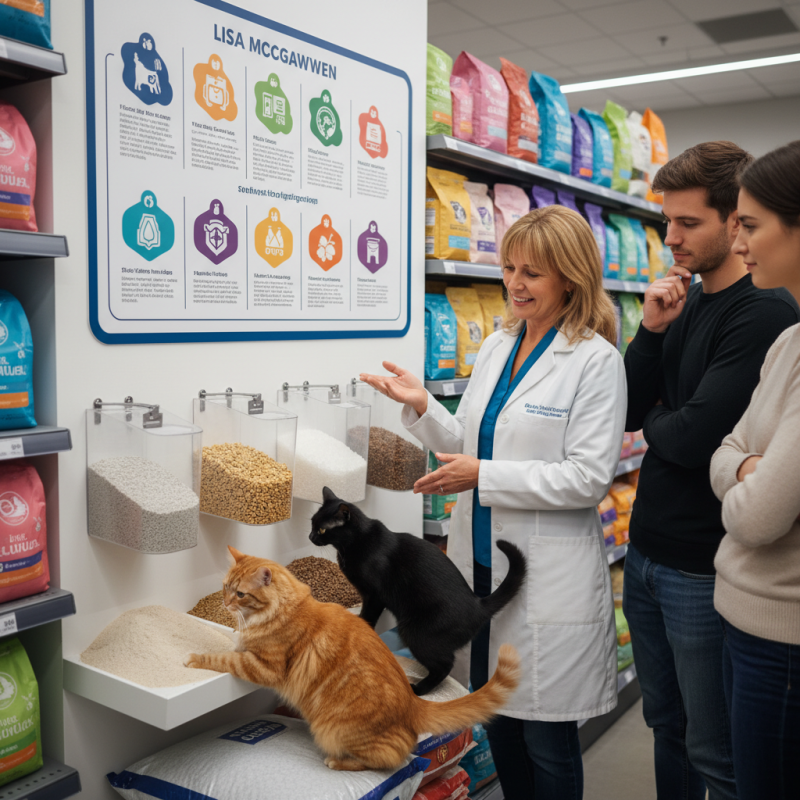
Types of Cat Litter Materials Available on the Market
When it comes to choosing cat litter materials, the options can be overwhelming. Common types include clumping clay, non-clumping clay, natural plant-based, and crystal litter. Each type has its own unique properties and benefits, influencing both cats and their owners.
Clumping clay litters, made from sodium bentonite, are popular for their ability to form solid clumps upon contact with moisture. According to a recent market analysis, this type dominates about 60% of the market share due to its ease of use and low odor levels. However, some studies suggest that dust from clumping clay may cause respiratory issues in sensitive cats.
Natural plant-based litters, such as those made from corn or wheat, are gaining traction among eco-conscious consumers. Reports highlight that about 25% of cat owners prefer these options for their biodegradable nature. Yet, these litters may not absorb odors as effectively as clay varieties. This can lead to a need for more frequent cleaning, raising questions about their practicality for busy pet owners. The choice of litter type significantly impacts both wellness and convenience.
Comparative Analysis of Clay-Based Cat Litter
When it comes to clay-based cat litter, several factors influence buyers' decisions. Clay litter primarily comes in two types: clumping and non-clumping. Each type has its unique characteristics. Clumping clay litter forms solid clumps when wet, making it easy to scoop. Non-clumping litter absorbs moisture but does not form clumps, which can make clean-up more challenging.
The absorption capacity of clay litter is important. High-absorption litter can reduce odors effectively. However, some users find that the dust from certain clay litters can be a problem for both pets and humans. Dust may lead to respiratory issues over time. There's also the question of environmental impact. While clay litter is widely used, its sourcing raises concerns about sustainability.
Cost is another critical factor. Clay litter is often more affordable upfront but can lead to higher long-term costs when frequent replacement is necessary. Some buyers might overlook the lifecycle of their choices, focusing instead on instant gratification. Overall, clay-based cat litter presents various pros and cons that should be carefully considered for both pet and owner well-being.
Comparison of Cat Litter Materials
This chart compares the different cat litter materials based on their absorbency, tracking, odor control, and price. The data highlights key attributes that buyers consider when selecting cat litter.
Benefits and Drawbacks of Biodegradable Cat Litter
Biodegradable cat litter is gaining popularity among eco-conscious pet owners. This type of litter is made from natural materials such as corn, wheat, or recycled paper. According to a recent industry report, over 30% of cat owners are considering switching to biodegradable options. They appreciate the reduced environmental impact compared to traditional clay litters, which can take centuries to decompose.
However, there are some drawbacks. Many biodegradable litters do not clump as well as clay litters, making clean-up a bit more challenging. Some users report that odors are not as effectively controlled. A survey indicated that up to 40% of users found the absorbency lacking. When looking for a litter, it’s essential to weigh these factors against your cat's preferences.
Tip: Introduce new litter gradually. Mix it with your cat’s current litter to help them adjust. Monitor your cat's behavior for any signs of dislike.
Another consideration is cost; biodegradable options can be pricier. Data shows that price-sensitive buyers may hesitate. Still, investing in a sustainable product can reflect values. Many owners find peace of mind in choosing products that align with their environmental beliefs.
Cost Comparison: Budget vs. Premium Cat Litter Options
When choosing cat litter, cost is a significant factor for many pet owners. Budget options can range from $10 to $20 per bag, often made from clay or recycled paper. A study showed that these types can absorb moisture well but may clump poorly, leading to more frequent changes. Over time, the cost adds up, especially if the litter doesn’t effectively control odors.
On the other hand, premium litter options can vary from $25 to $50 per bag. These often include natural materials like corn, wood, or wheat. Reports indicate that they generally offer better odor control and clumping capabilities. However, the higher price tag can be daunting. Some users express concerns about the environmental impact of both types, as many budget litters are not biodegradable.
Many buyers find themselves reflecting on their choices. Is spending more on premium litter worth it for their cat’s comfort? While premium options vary in performance, affordability plays a critical role in litter selection. The balance between cost and effectiveness varies per household, complicating the decision-making process.
Factors to Consider When Choosing Cat Litter for Your Cat
Choosing the right cat litter can significantly impact both your cat's health and your home environment. Various materials exist, including clay, wood, and paper-based options. According to a report from the American Pet Products Association, over 70% of cat owners stick to traditional clay litter. However, alternative materials are gaining traction due to their environmental benefits and reduced dust levels. For buyers, understanding these materials is essential.
Consider your cat's preferences and any sensitivities when selecting litter. Soft, clumping litter may appeal to some cats, while others prefer larger granules. A survey indicated that more than 40% of cats show a preference for the texture of their litter. Pay attention to odors too. Clumping litters can trap moisture and odors, while non-clumping options may require more frequent changes.
Tip: Always test different types. If your cat isn't adjusting, try a new texture. Introducing the new litter gradually can ease the transition. Remember, some cats may refuse certain materials altogether. This requires patience and observation on your part. Keep an eye on your cat's litter box behavior; any change may indicate a need for a different litter type.
How Do Different Cat Litter Materials Compare for Buyers? - Factors to Consider When Choosing Cat Litter for Your Cat
| Litter Material |
Absorbency |
Odor Control |
Dust Production |
Eco-Friendliness |
Price Range |
| Clay (Bentonite) |
High |
Good |
Low |
Low |
$5 - $20 |
| Clumping Clay |
Very High |
Excellent |
Medium |
Low |
$10 - $25 |
| Wood Pellets |
Moderate |
Fair |
Low |
High |
$8 - $20 |
| Paper |
Moderate |
Fair |
Very Low |
High |
$7 - $15 |
| Corn |
Moderate |
Good |
Medium |
High |
$10 - $22 |
FAQS
: Common types include clumping clay, non-clumping clay, natural plant-based, and crystal litter. Each has unique properties.
Clumping clay litter forms solid clumps and controls odors well. This ease of use appeals to many cat owners.
Yes, dust from clumping clay may cause respiratory issues in sensitive cats. This can be a serious concern.
They are made from materials like corn or wheat. These are often biodegradable and eco-friendly options.
No, they may not absorb odors as well as clay varieties. This can lead to more frequent cleaning.
Budget litter is cheaper but may clump poorly. Premium litter costs more but offers better odor control and clumping.
Consider absorption capacity, dust production, and long-term costs. Choices should reflect both pet comfort and practicality.
Many wonder if spending more on premium litter is worth it for their cat's comfort. It's a tough choice.
Poorly clumping litter requires more frequent changes, complicating cleaning routines for busy pet owners.
The sourcing of clay litter raises concerns about sustainability. It's important to consider its lifecycle impact.
Conclusion
This article explores how different cat litter materials compare, focusing on the options available on the market today. It begins by categorizing the types of cat litter, primarily focusing on clay-based and biodegradable materials. A comparative analysis reveals the benefits and drawbacks of each, highlighting clay litter's absorbency and odor control against the environmental advantages of biodegradable options.
Additionally, the article delves into the cost comparison between budget and premium cat litter options, urging buyers to weigh their choices based on both financial considerations and their cat's needs. Factors such as absorbency, dust levels, and environmental impact are crucial for cat owners when choosing the right litter. By understanding these elements, buyers can make informed decisions that cater to their feline companions.

 Purr Pet