Why is Controlling Litter Box Odor Important for Pet Owners?

Time:2026-05-07 Author:Liam
0%

Controlling litter box odor effectively is crucial for pet owners. Research shows that 90% of cat owners consider smell a significant issue. Unpleasant odors can impact household comfort, leading to stress and even conflicts among family members. Health agencies note that improper litter box maintenance can contribute to respiratory issues in both pets and humans.

Pet owners often face challenges. A survey by the American Society for the Prevention of Cruelty to Animals found that 50% of cat owners struggle with bad smells. Many individuals may not understand how factors such as litter type and cleaning frequency affect odor control. Shallow cleaning habits can lead to severe odor build-up. Owners need reliable strategies for odor management.

Effective litter box maintenance involves routine cleaning and choosing the right litter. Products like clumping litter can absorb moisture and odors best. However, even with the best products, diligence is key. Neglecting this aspect can lead to a disappointing environment for both pets and owners. The importance of learning how to control litter box odor effectively cannot be overstated.
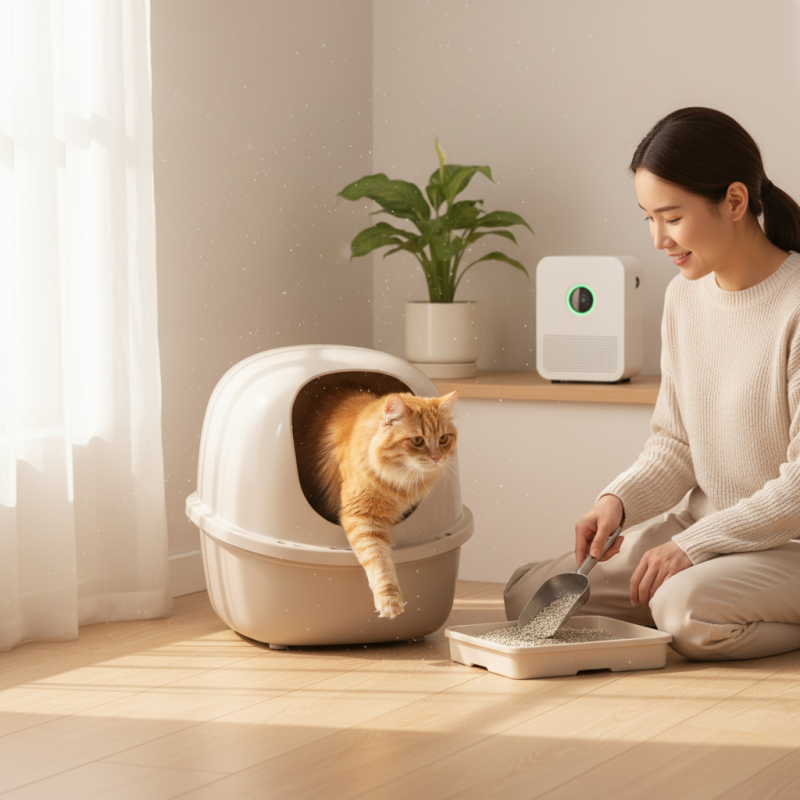
Why is Controlling Litter Box Odor Important for Pet Owners?

Importance of Litter Box Odor Control for Pet Owners

Maintaining a fresh scent in a litter box is crucial for pet owners. Studies show that unpleasant odors can deter pet behavior. According to the American Veterinary Medical Association, a clean litter box promotes regular use, leading to a happier pet. Cats may refuse to use a smelly box, which can lead to accidents in the house.

Odor control can also impact household hygiene. A survey by the American Pet Products Association reveals that 62% of pet owners prioritize odor management. This is more than just about comfort; bad smells can indicate underlying health issues in pets. For example, persistent foul odors might suggest an infection that needs veterinarian attention.

Many pet owners struggle with litter box maintenance. A research article published in the Journal of Feline Medicine and Surgery noted that 20% of owners do not clean their litter boxes daily. This negligence can lead to behavioral issues. Investing in proper litter and odor control solutions is essential. Pet owners must reflect on their routines to prevent these problems and ensure a pleasant environment for both themselves and their pets.

Health Implications of Uncontrolled Litter Box Odors

Controlling litter box odor is crucial for pet owners. Poor odor management can lead to serious health risks. For example, ammonia from urine can irritate a cat’s respiratory tract. According to a study published in the Journal of Feline Medicine and Surgery, prolonged exposure to high ammonia levels can cause respiratory issues, especially in older cats. Keeping the litter box clean can significantly reduce these risks.

Pet owners should regularly replace litter and clean the box. This helps eliminate harmful bacteria and reduces odor. A survey by the American Pet Products Association states that 80% of pet owners neglect to clean their litter boxes daily. This can lead to not just odor but also potential health hazards for both pets and humans.

Here are a few tips to manage litter box odors effectively. Use unscented litter, as some artificial fragrances can irritate a pet's sensitive nose. Ensure proper ventilation in the area containing the litter box, which can help disperse odors. Consider placing carbon filters near the litter box; they can absorb unpleasant smells. Regularly checking and cleaning the box can lessen unexpected surprises, making life easier for both pet and owner.

Why is Controlling Litter Box Odor Important for Pet Owners? - Health Implications of Uncontrolled Litter Box Odors

Aspect Description
Health Risks Uncontrolled litter box odors can lead to respiratory issues, especially in pets and sensitive individuals.
Behavioral Issues Strong odors may cause cats to avoid their litter box, leading to accidents outside the box.
Hygiene Concerns Failing to control odors can lead to increased bacteria and parasites in the household.
Owner Comfort A smelly home affects the overall comfort and enjoyment of the living space for pet owners.
Professional Recommendations Veterinarians often recommend regular cleaning and odor control solutions to maintain a healthy environment.

Effective Methods for Reducing Litter Box Odor

Managing litter box odor is crucial for pet owners who want a clean home and happy pets. Dealing with unpleasant smells can be overwhelming. Fortunately, there are effective methods to keep odors at bay.

One popular method is regular cleaning. Scoop the litter box daily to remove waste. This simple step reduces buildup and unpleasant smells. Use a no-scented, clumping litter that absorbs moisture. It can make a big difference.

Enhance airflow in the area. A well-ventilated space helps disperse odors. Consider placing a small fan nearby or leaving a window open. You can also add baking soda to the litter. It neutralizes odors without harsh chemicals.

Keep in mind, every cat is different. Some may prefer certain types of litter over others. Experiment to find what works best for your pet and your home. Remember, even the best methods require consistent effort. Regular maintenance and adjustments are key for success.

Choosing the Right Litter for Odor Management

Choosing the right litter for odor management is crucial for pet owners. A good litter can significantly reduce unpleasant smells. When selecting litter, consider its absorbency. Absorbent litter helps in controlling moisture. This moisture can lead to odor if not managed effectively.

When it comes to types, natural clumping litters are popular. They form solid clumps when wet. This makes it easier to clean and reduce smells. However, some may find dust from clumping litters annoying. If that’s the case, look for low-dust options. Biodegradable litters are another choice. They are environmentally friendly and can control odors effectively.

Tips: Regular scooping is vital for odor control. Daily cleaning can prevent accumulation of waste. Try to change litter weekly. This can prevent lingering smells. Also, ensure your pet has a well-ventilated area. Good airflow helps minimize odors. Pay attention to your pet's preferences as well. They might refuse to use a box with an unpleasant smell.

Maintaining a Clean Litter Box Environment for Pets

Maintaining a clean litter box environment is crucial for pet owners. Research indicates that over 30% of cat owners report issues with litter box odor. This can lead to stress for both pets and their owners. A well-maintained litter box can help alleviate these issues and promote a healthy living space.

Regular cleaning is essential. The American Veterinary Medical Association (AVMA) recommends scooping daily. This simple task can significantly reduce odors. A clean box encourages cats to use it properly, preventing potential behavioral issues. Studies show that cats prefer clean environments, and they may avoid dirty litter boxes altogether.

Choosing the right litter is also important. Certain types can help control odors more effectively. For instance, clumping litters can absorb moisture and odors. However, not all products are created equal. Some may contain harmful dust that can irritate both pets and owners. Always research options and consult experts when necessary to ensure a safe and effective choice for your furry friend.

FAQS

: Why is litter box odor control important?

: It promotes regular pet use and prevents accidents in the house. Pleasant scents encourage happy pets.

How can bad odors indicate health issues?

Persistent bad smells might suggest infections or other underlying problems. Pets may need veterinarian attention.

Are many pet owners neglecting litter box cleaning?

Yes, 20% of owners don’t clean daily. This can lead to behavioral issues and unpleasant environments.

What is a simple method to reduce odors?

Scoop the litter box daily to remove waste. Regular cleaning is essential for odor control.

How can airflow help with litter box odors?

Improved ventilation disperses smells. A small fan or open window can make a significant difference.

What is a useful addition to the litter?

Baking soda can neutralize odors effectively. It’s a natural solution without harsh chemicals.

Should I vary the type of litter I use?

Yes, each cat has different preferences. Experimenting can help find what works best for your pet.

Does maintaining a litter box require effort?

Absolutely, consistent maintenance is crucial. Simple neglect can lead to unwanted odors and issues.

Can odor control be overwhelming for pet owners?

Yes, dealing with unpleasant smells is challenging. However, effective methods exist to manage them.

Why might some pets refuse to use a litter box?

A smelly litter box can deter them. It’s important to ensure cleanliness for their comfort.

Conclusion

Controlling litter box odor is essential for pet owners to maintain a healthy environment for both pets and humans. Uncontrolled odors can impact indoor air quality and may lead to health issues for household members, including respiratory problems and allergies. Therefore, understanding how to control litter box odor effectively is crucial for ensuring the well-being of pets and their owners.

Effective methods for reducing litter box odor include selecting the right type of litter that offers superior absorption and odor neutralization. Additionally, regularly cleaning the litter box and maintaining hygienic conditions are vital practices. A clean litter box not only prevents unpleasant smells but also encourages pets to use it consistently, promoting better overall health. By implementing these strategies, pet owners can significantly reduce odors and create a more pleasant living environment.

Liam

Liam

Liam is a dedicated marketing professional with a profound expertise in the industry, where he excels at highlighting the unique advantages of our core products. With a keen understanding of market trends and consumer needs, Liam frequently updates our company’s professional blog, providing......