If you have a cat that consumes primarily dry food, you might wonder, "how much water should my cat drink if they only eat dry food?" Dr. Lisa Weeth, a renowned feline nutrition expert, emphasizes the importance of hydration. She states, “Cats on dry food require additional water intake to prevent urinary issues.” This highlights the critical link between their diet and water consumption.
Cats, unlike dogs, may not always drink enough water. With dry food, it’s essential to promote hydration. Dry food contains little moisture, so cats can struggle to meet their water needs. A lack of sufficient water can lead to health problems over time.
Understanding how much water your cat should drink goes beyond numbers. Each cat is unique. Factors like age, activity level, and overall health impact hydration needs. Observing your cat’s drinking habits can provide crucial insights. Encourage water consumption with fresh water bowls or consider wet food options. This proactive approach can help ensure your feline friend remains healthy and hydrated.
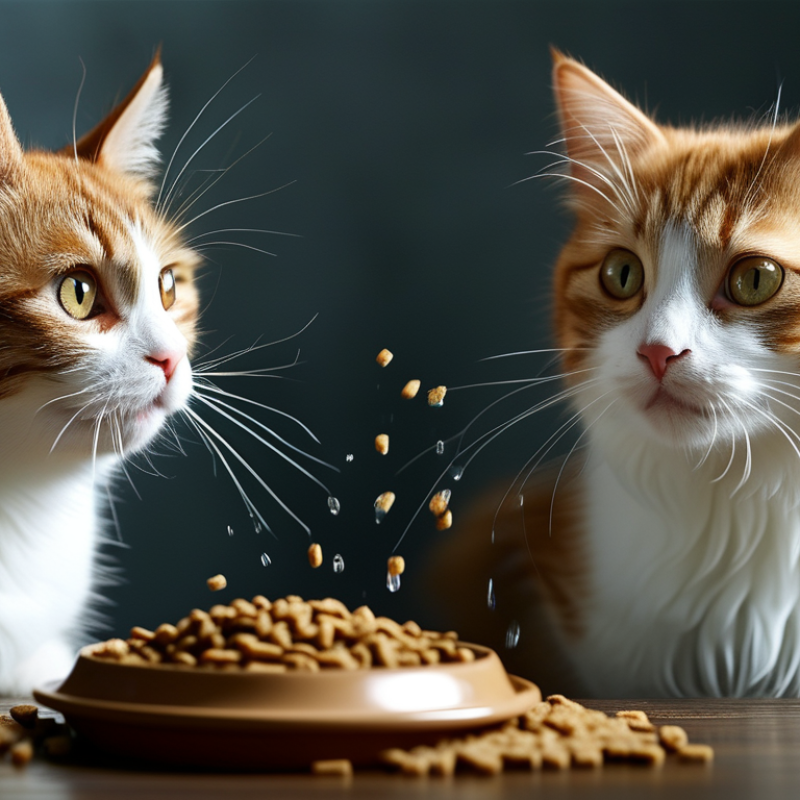
Understanding Feline Hydration Needs on Dry Food Diets
Cats on a dry food diet have specific hydration needs. Unlike wet food, dry kibble contains minimal moisture.
This can lead to dehydration if not addressed properly. On average, a cat needs about 3.5 to 4.5 ounces of water for
every 5 ounces of dry food it consumes. However, individual needs may vary based on factors like activity level
and health.
Understanding your cat's hydration is crucial. Observe your cat's drinking habits. Some cats instinctively drink
less than necessary. A cat's body is over 70% water, so you can imagine the impact of low intake. Consider
providing fresh water daily in multiple bowls. This simple change can encourage them to drink more.
Hydration isn't just about water intake. It's also about the quality of water provided. Cats can be particular
about taste and cleanliness. If your cat seems reluctant to drink, reflect on the bowl material or placement.
Cats often prefer running water. A pet water fountain may entice them more than a stagnant bowl. Trust your
instincts, and monitor changes in your cat’s behavior or health.
How Dry Cat Food Affects Water Intake Requirements
When feeding your cat dry food, it’s essential to consider their water intake. Dry cat food typically contains about 10% moisture, compared to 70-80% in wet food. This significantly reduces the overall water content cats receive from their diet. According to veterinary nutrition experts, cats require approximately 60-80 milliliters of water per kilogram of body weight daily. For a 4 kg cat, that means around 240-320 ml of water each day.
Cats on a dry food diet may not drink enough water, leading to dehydration. Inadequate hydration can lead to urinary issues and kidney disease, which are common in felines. Research shows that cats fed primarily dry food are more prone to these health problems. Some studies suggest that cats are more likely to drink water when it's presented in a fountain rather than a bowl. This can be a simple yet effective change that encourages better hydration.
Despite these findings, it’s crucial to observe your cat's drinking habits. Each cat is unique, and factors like age, activity level, and health status play a role. Older cats or those with underlying health conditions may have different hydration needs. Regular veterinary check-ups can help identify any issues early. Consulting your vet can ensure your cat is drinking enough water to maintain their health.
Signs of Dehydration in Cats: What to Look For
Cats often don’t drink enough water, especially when eating dry food. This can lead to dehydration, which is a serious condition. Signs of dehydration can be subtle. Look for dry gums or a lack of skin elasticity when you gently pinch the skin on their back. If it doesn’t spring back quickly, your cat might be dehydrated.
Monitor your cat’s drinking habits. If you notice they are drinking less than usual, it’s time for action. Urine color can also be a clue. Dark-colored urine can indicate insufficient hydration. Additionally, watch for lethargy or a decrease in activity. A dehydrated cat may seem less playful or more tired than usual.
Encourage your cat to drink more. You can try adding water to their food or offering water fountains. Cats are often drawn to moving water. Feeding them wet food can also help with their hydration. Check their water bowl frequently, and replace the water daily to keep it fresh. Regular vet visits are essential for keeping tabs on your cat's health. Hydration is critical for their overall wellbeing.
How Much Water Should My Cat Drink on Dry Food Best Guide? - Signs of Dehydration in Cats: What to Look For
| Age of Cat (Years) |
Weight of Cat (lbs) |
Recommended Daily Water Intake (oz) |
Signs of Dehydration |
| 1 |
5 |
5-7 |
Dry nose, lethargy, tacky gums |
| 3 |
10 |
7-9 |
Reduced skin elasticity, excessive thirst |
| 5 |
12 |
9-11 |
Sunken eyes, dry mouth |
| 7 |
15 |
11-13 |
Decreased appetite, vomiting |
| 10 |
18 |
12-14 |
Weakness, confusion, rapid breathing |
Recommended Daily Water Intake for Cats on Dry Food
Cats on a dry food diet often face dehydration. Recommended daily water intake can vary. Generally, cats need about 2.5 to 4.5 ounces of water for every 5 ounces of dry food they consume. This means a 10-pound cat may need around 12 ounces of water daily. However, many cats do not drink enough water. This can lead to urinary tract issues and kidney problems over time.
To ensure your cat stays hydrated, consider placing multiple water bowls around your home. Cats may prefer drinking from a bowl that is clean and fresh. Using a pet water fountain can also encourage drinking. A study from the Journal of Animal Physiology indicates that cats are more likely to drink more when the water is moving. This could be a simple solution to ensure adequate hydration.
Monitor your cat’s drinking habits. If you notice a significant decrease, consult a veterinarian. Dehydration can be subtle but serious. Always be aware of any changes in weight or litter box habits, as these could indicate underlying health issues. Providing fresh, clean water can make a significant difference in your cat's health.
Tips for Encouraging Your Cat to Drink More Water
Cats can be picky about drinking water, which can affect their health. To encourage your cat to drink more, try placing multiple water bowls around your home. This simple action creates easier access and may inspire your cat to hydrate more frequently. Ensure each bowl is clean and filled with fresh water daily.
Consider using a pet water fountain. Cats are often attracted to running water. The sound and movement can entice them to drink. Monitor your cat's behavior. If they still seem disinterested, try different bowl styles. Some cats prefer stainless steel or ceramic bowls over plastic ones.
You can also incorporate wet food into their diet. This is a great way to boost hydration indirectly. If your cat enjoys treats, consider offering ice cubes made from chicken broth. Many cats are drawn to these frozen delights and will hydrate while enjoying a snack. Be aware of changes in your cat's drinking habits. Adjustments might be necessary if they show signs of dehydration.
FAQS
: Cats typically require 60-80 ml of water per kg of body weight each day.
Insufficient water intake can lead to dehydration and possible kidney issues.
Yes, cats tend to drink more from fountains than from regular bowls.
Placing multiple clean water bowls or using a pet fountain can help.
Yes, older cats may have different hydration needs and should be monitored closely.
Dry food contains about 10% moisture, which is much lower than wet food.
Changes in weight or litter box habits can suggest dehydration.
Regular observation is essential to catch any significant changes early.
A 10-pound cat generally needs around 12 ounces of water daily.
Yes, regular vet check-ups can help identify hydration issues early on.
Conclusion
Cats on a dry food diet have specific hydration needs that owners must closely monitor. Understanding how much water should my cat drink if they only eat dry food is crucial, as dry kibble contains minimal moisture, leading to increased water intake requirements. Generally, a healthy cat requires about 2 to 4 ounces of water per 5 pounds of body weight daily, but this can vary based on factors such as activity level and climate.
It is essential to recognize signs of dehydration in cats, such as lethargy, dry gums, or reduced skin elasticity. To ensure your feline friend stays properly hydrated, consider incorporating tips to encourage drinking, such as offering fresh water regularly, using water fountains, or adding wet food to their diet. By being proactive, you can help maintain your cat's overall health and well-being.

 Purr Pet