Choosing the right cat litter is crucial for your cat's health and safety. Many pet owners overlook the ingredients in their litter. Dr. Sarah Anderson, a feline health expert, emphasizes, "Understanding what ingredients should be avoided in cat litter can protect your beloved pet."
Certain components can pose risks. For instance, litters with artificial fragrances or chemicals can irritate your cat's sensitive respiratory system. Clay-based litters might contain sodium bentonite, which can affect the environment. It’s essential to scrutinize labels closely.
Pet owners must educate themselves on harmful ingredients. Common culprits include clumping agents and synthetic additives. These can lead to health issues like allergies or urinary problems. It’s not just about choosing a popular brand. It’s about ensuring safety and comfort for your cat. Reflect on your choices. Are they truly the best for your furry friend?
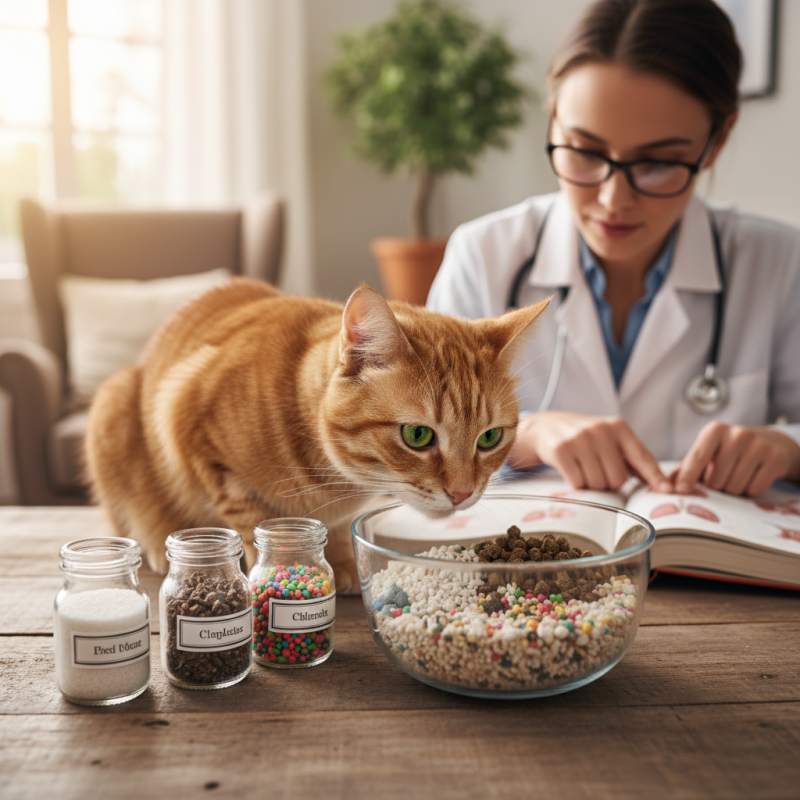
When choosing cat litter, it's crucial to consider the impact of certain ingredients on your cat's respiratory health. Studies indicate that litters containing silica gel can release dust particles. These particles can irritate the respiratory tract of both cats and their owners. According to the American Veterinary Medical Association, chronic exposure to such dust may lead to breathing difficulties and other health issues.
Another concern is clay-based litters, especially those derived from sodium bentonite. Research highlights that these litters can contain harmful substances such as crystalline silica, which poses risks when inhaled. The World Health Organization suggests that long-term exposure can potentially lead to silicosis, a serious lung disease. It's essential to monitor your cat's health closely for any signs of respiratory issues.
Tips for selecting safer cat litter include opting for natural or biodegradable options. These types often use materials like recycled paper or corn. They tend to produce less dust and are better for the environment. Always ensure proper ventilation in areas where you keep cat litter. Regularly cleaning the litter box can also minimize the inhalation of harmful particles. Each choice can make a significant difference in maintaining a safe and healthy living environment for both you and your cat.
When choosing cat litter, safety should be a top priority. Many commercial litters contain toxic chemicals that can harm your cat's health. Avoid litter with clay-based materials, as they often contain sodium bentonite. This can release harmful dust particles leading to respiratory issues.
Look for litters free of fragrances and dyes. Chemicals used for scent can irritate a cat's sensitive nose. Non-natural litters may cause allergic reactions or other health problems. Instead, opt for natural alternatives like recycled paper or wood pellets. These options are safer and more environmentally friendly.
Tips:
Choosing the right cat litter is crucial for your pet's health. Many products contain harmful chemicals. Common ingredients like silica dust can cause respiratory issues. Fragrant additives may mask odors but can irritate your cat's sensitive nose. This makes it essential to select a natural alternative.
Natural litters can be great substitutes. Products made from recycled paper, wood pellets, or corn are safer options. These materials are biodegradable and less likely to contain harmful chemicals. They absorb moisture effectively while reducing tracking. Some even have natural odor control without added fragrances.
There are considerations when shifting to natural litters. Not all cats may accept these types right away. Some may prefer traditional litters due to texture. It's helpful to introduce new options gradually. This way, you can observe your cat's behavior and preferences closely. Monitor for any signs of discomfort or reluctance to use the new litter. Your cat’s comfort is paramount in this transition.
When choosing cat litter, it’s crucial to consider fragrances. Many litters contain synthetic scents that can be harmful to cats. These additives often mask odors but can lead to respiratory issues. Cats rely heavily on their sense of smell. Strong fragrances may overwhelm them and cause stress or confusion.
Natural alternatives are available. However, some “natural” fragrances also pose risks. Essential oils, for example, can be toxic to pets. Cats can react adversely, showing symptoms like vomiting or lethargy. Awareness is key in selecting a safe product. Reading labels helps avoid harmful ingredients.
Look out for irritants. Artificial fragrances often belong to this category. They can cause skin irritation in both cats and humans. If a product claims to be scented, it’s essential to research its components. Quality litter should prioritize your pet's health over masking unpleasant smells.
The use of silica gel in cat litter has raised significant concerns among pet owners. Silica gel is often marketed as superior due to its absorption capabilities. However, this material can pose serious health risks. Cats exposed to silica dust may experience respiratory issues. A study from the Journal of Feline Medicine and Surgery indicates that inhalation of silica particles can lead to long-term lung damage in pets.
Additionally, some alternative materials can also be harmful. Clay-based litters often contain sodium bentonite, which can lead to gastrointestinal problems when ingested. Reports have shown that ingestion occurs when cats groom themselves. According to the American Animal Hospital Association, ingestion of such litter can cause serious complications.
Another material of concern is carbon-based litters, which may release volatile organic compounds (VOCs). These compounds can irritate the eyes and respiratory tracts of both cats and humans. A report by the Environmental Protection Agency highlights the importance of ensuring that cat litter products are safe for indoor environments. Owners should critically evaluate ingredients, considering both animal and human health. Making informed choices about litter can significantly enhance the well-being of both pets and their families.
| Ingredient | Potential Risks | Safe Alternatives |
|---|---|---|
| Silica Gel | Can cause respiratory issues if inhaled; ingestion can be harmful. | Natural clays, corn-based litters. |
| Clay (Non-biodegradable) | Not eco-friendly, may contain harmful chemicals. | Biodegradable options like pine or wheat. |
| Fragrances | Can irritate a cat's respiratory system and nose. | Unscented or naturally scented litters. |
| Calcium Carbonate | Can lead to gastrointestinal issues if ingested. | Natural clay-based litters. |
| Deodorizers | May mask odors but contain harmful chemicals. | Natural odor absorbers like baking soda. |
: Certain ingredients can impact your cat's respiratory health. Dust from some litters can irritate the respiratory tract.
Litters containing silica gel and clay-based ones can release dust. This may lead to breathing difficulties over time.
Yes, some clay litters may contain crystalline silica. Long-term exposure could potentially cause serious lung diseases.
Opt for natural or biodegradable litters. Materials like recycled paper or corn are safer and produce less dust.
Watch out for silica dust and fragrant additives. They can irritate your cat's sensitive nose and respiratory system.
Not all cats will prefer natural litters right away. Some may need time to adjust to new textures.
Introduce new litter gradually. Observe your cat closely for signs of discomfort or reluctance to use it.
Ensure proper ventilation where you keep the litter. Regular cleaning helps minimize harmful particles in the air.
Signs of reluctance or avoidance could mean your cat is not happy with the litter choice you made.
Yes, some natural litters control odors effectively without using added fragrances. This benefits both you and your cat.
When considering what ingredients should be avoided in cat litter, it’s crucial to recognize those that can pose health risks to both cats and their owners. Ingredients such as dust-producing materials can lead to respiratory issues, while certain toxic chemicals may adversely affect feline health. Additionally, fragrances often found in cat litter can contain harmful additives that should be avoided.
For pet owners looking for safer options, exploring natural alternatives is essential. These safe choices typically consist of biodegradable materials that do not compromise health. Lastly, caution is advised regarding controversial materials like silica gel, which may carry potential hazards. By understanding these factors, caregivers can make informed decisions about cat litter to ensure a safe environment for their pets.

Purr Pet