How to Keep Ants Out of a Smart Feeder?

Time:2026-09-20 Author:Sienna
0%

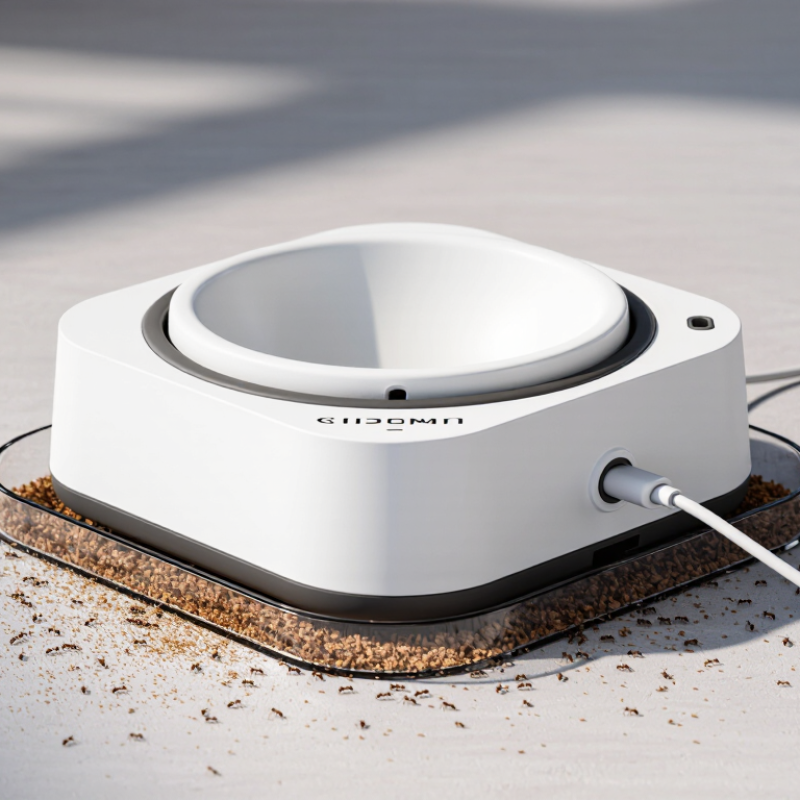
Smart feeders offer convenience, but their warmth, food scent, and tiny crumbs can attract persistent ants. A single worker may find spilled kibble beneath the tray, then guide others along the feeder cable. Keeping ants away requires more than wiping the visible insects. It requires removing trails, sealing access points, and checking the feeder’s design.

Dr. Michael Rust, an urban entomology specialist at the University of California, Riverside, explains, “Ant control begins with sanitation and exclusion, not simply killing visible workers.” This principle helps shape a practical answer to how to prevent ants from crawling into a smart feeder. The feeder should sit on a dry, clean surface, away from walls, plants, and furniture. Its bowl, lid, silicone gasket, and charging area need regular inspection. Even a thin film of wet food can become an attractant.

A physical barrier may help. Some owners place the feeder legs inside shallow ant guards, while others create a clean, dry gap around the base. Any method must follow the manufacturer’s instructions and remain safe for pets. Avoid placing unknown substances near food or drinking areas. That shortcut can create new problems.

No barrier works forever. I have seen tiny ants cross surprisingly dry surfaces after rain, when outdoor colonies become more active. A reliable routine includes daily crumb removal, weekly cable checks, and immediate cleaning after wet-food spills. The best approach may feel repetitive. Still, consistency usually matters more than one dramatic treatment.
How to Keep Ants Out of a Smart Feeder?

Identify Why Ants Are Attracted to Smart Bird Feeders

Ants rarely appear because a smart feeder is “smart.” They come for reliable food. Spilled sunflower kernels, cracked corn, and oily seed dust can collect beneath the tray. USDA FoodData Central lists sunflower kernels at about 51 grams of fat per 100 grams. That concentrated energy can interest many insects. Sticky nectar or fruit residue is even more attractive. A single leaking cup may create a sugary trail across the feeder pole.

Bird droppings and damp seed add another signal. The University of California Statewide Integrated Pest Management Program notes that ants seek sugars, proteins, and greasy foods, especially along established trails. Warm, shaded surfaces also help colonies remain active. Cornell Lab of Ornithology recommends regular feeder cleaning and removing spoiled food, because hygiene affects both birds and pest activity. These sources support a practical diagnosis: inspect the food, not only the hardware. Watch where ants enter. Check the base, seams, drainage holes, and ground directly below. Smart cameras can help reveal activity after dark, when casual inspections miss it.

My own mistake was blaming the pole too quickly. The real trigger was a thin layer of wet seed under the tray. Clean it, dry it, and observe for several days. If ants return, the food mix or feeder location may still be rewarding them. This part requires patience.

Choose an Ant-Resistant Location for Your Smart Feeder

Choose an Ant-Resistant Location for Your Smart Feeder

Location matters more than many owners expect. The 2018 National Survey of Fishing, Hunting, and Wildlife-Associated Recreation reported that 59 million Americans fed wild birds. That scale also means more exposed food can attract insects. Place the smart feeder at least 1.5 meters from fences, tree trunks, walls, and dense shrubs. Ants often use these surfaces as travel routes. University of California Integrated Pest Management guidance notes that ants follow food, moisture, and established trails.

Keep the feeder in a bright, open area with good airflow. Avoid damp corners, dripping gutters, compost bins, and flowering plants that attract insects. A smooth metal pole is usually harder for ants to cross than rough wood. Leave clear space around the pole. Trim nearby branches, even if they look harmless. They may form a bridge overnight.

I once underestimated a single overhanging branch. It became the easiest route to the feeder. Small details matter. Place the feeder where spilled seed can be seen and removed quickly. Cornell Lab’s Project FeederWatch guidance also stresses regular cleaning and monitoring around feeding stations. Check the ground each morning for ant trails, crumbs, or sticky residue. This method is not perfect, especially after rain. Still, moving the feeder only a few meters can break an established route. Keep the location convenient for birds, but inconvenient for insects.

Create Physical Barriers to Stop Ants from Reaching the Feeder

How to Keep Ants Out of a Smart Feeder?

Physical barriers are often safer than spraying near pet food. The 2023–2024 APPA National Pet Owners Survey reports that 66% of U.S. households own a pet. That makes reliable feeder hygiene increasingly important. UC Integrated Pest Management guidance explains that ants follow chemical trails and exploit small access points.

A feeder should therefore stand on a smooth, raised platform with no nearby contact points. Keep it away from walls, shelves, curtains, and charging cables. Make the gap obvious.

A shallow water moat around the stand can interrupt many ant trails. Use a wide container that keeps water below the feeder base. The moat must not touch electrical parts. Water evaporates. Check it daily.

For dry barriers, choose smooth metal or glazed surfaces that ants cannot easily grip. Avoid rough wood, fabric, and cardboard.

Seal cracks around the feeding station with removable, pet-safe materials. Clean spilled kibble immediately, because even tiny crumbs can rebuild a trail. The National Pest Management Association lists ants among the most common household pests, so occasional sightings should not be dismissed.

My own design preference would be simple, washable, and easy to inspect, although no barrier is perfect. A platform may fail when a cord touches a wall.

Recheck every connection after moving the feeder. Raw data from the 2023 NPMA consumer pest guidance also supports regular inspection, rather than relying on one permanent fix.

Use Safe Cleaning Methods to Remove Ant Trails and Food Residue

Ants often follow invisible scent trails to a smart feeder. Food residue makes those trails stronger. Turn off the feeder and remove its battery before cleaning. Empty leftover food, including crumbs trapped beneath the bowl or dispensing area. Never spray liquid near ports, sensors, or wiring.

Wash removable parts with warm water and a small amount of mild, unscented dish soap. Use a soft brush for narrow seams. Wipe the feeder body with a damp cloth, then use a second cloth with clean water.

Avoid bleach, ammonia, strong fragrances, and abrasive pads. Do not mix cleaning products. These substances may damage surfaces or leave residues that pets can ingest.

Clean the table and floor around the feeder, not just the device. A plain, damp cloth can remove much of an ant trail. For stubborn residue, repeat the wash instead of scrubbing aggressively. Dry every part completely before replacing food or power.

I once cleaned only the bowl, and ants returned through crumbs under the base. That mistake changed my routine.

Check hidden edges each day for several days. If the feeder has a removable seal, inspect it for sticky buildup. Follow the feeder’s care instructions when they differ, because water resistance varies between models.

Maintain the Feeder to Prevent Future Ant Infestations

Ants often return because tiny food traces remain after feeding. I learned this after finding a narrow trail beneath a feeder tray. Daily, remove fallen seed, sticky residue, and damp food before ants discover them. Use a soft brush for corners, screw heads, and the dispensing chute. These hidden points matter. Unplug the feeder before cleaning, and keep water away from electronic compartments.

Wash removable parts with warm water and mild dish soap once a week. Rinse them thoroughly, then dry every part completely before reassembly. Moisture can spoil food and create another reason for insects to gather. Inspect seals, hinges, and cable openings during each cleaning. A loose seal may let crumbs escape or ants enter. Replace damaged parts according to the feeder’s instructions, rather than guessing.

Keep the feeder on a clean stand, away from walls, branches, and tall grass. Trim nearby vegetation and wipe the stand regularly. Never leave old food overnight if the feeder is not dispensing on schedule. I still miss a cleaning when traveling, so a simple calendar reminder helps. It is not perfect. Check for trails after rain or warm nights, when ant activity often increases. If ants continue, move the feeder temporarily and inspect the surrounding ground. Avoid applying insect products near food or pets.

FAQS

Where should I place a smart feeder to reduce ant access?

Place it on a smooth, raised platform away from walls, shelves, curtains, and cables. Keep contact points separated.

Can a water moat stop ants from reaching the feeder?

A shallow moat can interrupt many ant trails. Keep water below the feeder base and away from electrical parts. Check it daily.

Which surfaces make better dry barriers?

Smooth metal or glazed surfaces are easier for ants to cross poorly. Avoid rough wood, fabric, and cardboard.

How should I remove ant trails safely?

Turn off the feeder and remove its battery. Wipe the bowl, base, table, and floor with a damp cloth.

What cleaning products are suitable?

Use warm water and a small amount of mild, unscented dish soap. Avoid bleach, ammonia, strong fragrances, and abrasive pads.

How often should removable feeder parts be washed?

Wash them weekly, or sooner when sticky residue appears. Rinse thoroughly and dry every part before adding food.

Which hidden areas need regular inspection?

Check seams, screw heads, dispensing chutes, seals, hinges, and cable openings. Tiny crumbs can hide beneath the base.

What should I do if ants keep returning?

Move the feeder temporarily and inspect the surrounding ground. Clean fallen food immediately, especially after rain or warm nights.

Can one permanent barrier solve the problem completely?

Probably not. A cord touching the wall can defeat a careful setup. Recheck every connection after moving the feeder.

How can I maintain the routine when traveling?

Set a calendar reminder for cleaning and inspection. I still miss a cleaning sometimes, so this method is imperfect.

Conclusion

Keeping ants away from a smart bird feeder starts with understanding what attracts them. Spilled seed, sugary bird food, moisture, and residue around the feeding ports can create an easy food trail. Place the feeder in a dry, open location away from branches, fences, walls, and other surfaces ants can use as bridges. A smooth hanging pole or suspended design can make access more difficult, while a properly positioned ant barrier can provide additional protection without harming birds or other wildlife.

To understand how to prevent ants from crawling into a smart feeder, clean the feeder regularly with mild soap and water, rinse it thoroughly, and dry it completely before refilling. Remove fallen food from the ground and wipe away visible ant trails so they cannot follow the same route back. Check mounting points, seams, and feeding areas often for moisture, cracks, or buildup. Consistent cleaning, careful placement, and routine inspections will help keep the feeder hygienic, functional, and less attractive to ants.

Sienna

Sienna

Sienna is a skilled marketing professional with a deep expertise in our company’s core products and services. With a passion for innovation and detail, she plays a pivotal role in crafting insightful blog posts that not only highlight the unique features of our offerings but also provide valuable......