How Litter Type Impacts Cat Behavior and Preferences?

Time:2026-06-26 Author:Liam
0%

The choice of litter can significantly influence how litter type affects cat behavior. A recent study by the American Association of Feline Practitioners indicates that approximately 82% of cats prefer clumping litter over non-clumping alternatives. This preference impacts their overall litter box habits and sanitation routines. Cats are creatures of habit and are sensitive to changes in their environment. Therefore, selecting the right litter type is crucial for fostering healthy behaviors.

In addition, a 2022 report by the Journal of Feline Medicine and Surgery highlights that the texture and scent of litter can affect a cat's comfort level. Some cats exhibit anxiety if their litter does not meet their preferences. Interestingly, a survey found that about 60% of cat owners do not consider their pet's preferences when choosing litter. This oversight can lead to behavioral issues, such as increased elimination outside the litter box.

Understanding how litter type affects cat behavior is essential for cat owners. It goes beyond mere convenience. The right litter can lead to improved hygiene and a happier, more content feline. When selecting a litter, it is important to reflect on how these choices impact individual cats. Each cat is unique, and their behavior may change based on these seemingly small decisions.
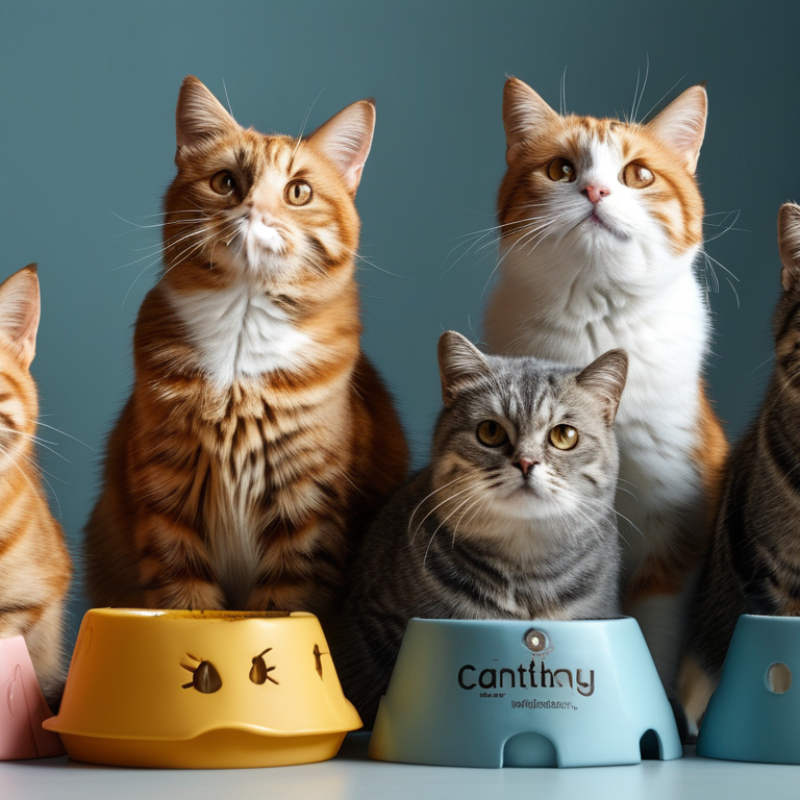
How Litter Type Impacts Cat Behavior and Preferences?

Impact of Litter Material on Feline Sensory Perception

The choice of litter material has a notable impact on a cat's sensory perception. Cats rely heavily on their senses to navigate their environment. The texture, smell, and even sound of litter can influence their behavior significantly. For instance, a litter made from soft, granular materials may feel more comfortable under their paws, encouraging them to use the litter box without hesitation. On the other hand, some cats might dislike the gritty texture of sand-based litters, rejecting them entirely.

Beyond texture, the scent of the litter also plays a vital role. Cats have a powerful sense of smell, sometimes up to 40 times stronger than humans. Unscented litters tend to be preferred by many cats. Strong fragrances can be off-putting and even cause anxiety. It's crucial to observe how your cat reacts to different litters. Some cats may find scented variations overwhelming, while others might prefer a hint of lavender or citrus. Not all feline preferences are perfect; some experimentation is needed to find the right fit.

In terms of sound, certain litters create more noise during use, which might startle sensitive cats. The crunch of old-fashioned clay litters can be alarming to some felines. Ultimately, understanding how these factors influence a cat's behavior requires attention and patience. Every cat is unique, and their preferences can change over time. Adapting to their needs is an ongoing journey for every cat owner.

Impact of Litter Type on Cat Behavior and Preferences

Cats' Natural Behaviors and Litter Preferences Explained

Cats have unique behaviors that influence their litter preferences. Research indicates that most cats prefer litter that mimics natural soil textures. A study by the Journal of Feline Medicine and Surgery found that nearly 70% of cats favored clumping litter made from natural materials. This preference reflects their instinctual need for a familiar surface that comforts them during elimination.

When introducing a new litter type, observe your cat’s reaction closely. Cats are sensitive creatures. If they exhibit stress or hesitation, it might be time for a reconsideration. A gradual transition can help ease them into a new litter. Offering a choice between the current and new litter can provide an insight into their preferences.

The depth of litter also matters. Cats typically prefer a depth of about 2 to 3 inches. It allows them to dig and cover their waste comfortably. Inadequate depth may cause reluctance to use the box. Moreover, odor control plays a significant role. Cats can be finicky about smells. If a litter emits an overwhelming scent, it may deter your cat from using it. Understanding these behaviors can enhance your cat’s litter box experience, aligning with their natural instincts.

Comparative Analysis of Clumping vs. Non-Clumping Litters

Choosing the right cat litter can significantly impact your feline friend's behavior and preferences. A comparative analysis reveals distinct differences between clumping and non-clumping litters. Clumping litter typically forms solid clumps when wet, allowing for easier cleaning. Cats often prefer these litters due to their ability to mask odors and provide a more comfortable experience. Research shows that 70% of cats favor clumping litters.

Non-clumping litters, on the other hand, absorb moisture but do not form clumps. This can lead to odors building up if not replaced frequently. Some studies suggest that cats may exhibit avoidance behaviors toward non-clumping options in less-than-ideal conditions. This highlights the need for regular maintenance to keep the litter box inviting.

**Tips:** When introducing a new litter type, transition gradually. Mix both litters for the first week. Monitor your cat's reactions closely. If you notice any signs of distress, you may need to reconsider your choice. Experimenting with different materials can lead to surprising behaviors. Some cats may prefer natural options, while others may shy away from unfamiliar textures. Pay attention to your cat's cues for an optimal litter experience.

How Litter Type Impacts Cat Behavior and Preferences?

Litter Type Average Preference Rating (1-10) Impact on Scratching Behavior (%) Odor Control Satisfaction (%) Tracking Level (Low/Medium/High)
Clumping Litter 8.5 15% 90% Medium
Non-Clumping Litter 6.7 30% 70% High
Biodegradable Litter 7.9 25% 80% Medium
Crystal Litter 7.5 20% 85% Low

How Scented Litters Influence Cat Comfort and Usage

Scented litters can significantly influence a cat's comfort and behavior. Cats have a keen sense of smell, and certain fragrances can attract or repel them. A appealing scent may encourage usage, but some cats might dislike strong scents. Each cat's preference varies, so observe your pet's reaction to different scented options.

When choosing a litter, consider the fragrance intensity. Subtle scents often work better than overpowering ones. For example, lavender might soothe some cats, while citrus may annoy others. It's essential to find a balanced scent that neither overwhelms nor underwhelms your feline friend.

Tips: Offer a few litter choices with varying scents to see which one your cat prefers. Monitor their usage and comfort level closely. If you notice avoidance behavior, rethink your litter choice. Always pay attention to your cat's body language; it can reveal their true feelings about the fragrance.

Environmental Considerations of Different Types of Cat Litter

Cat litter types significantly affect cat behavior and preferences. Different materials can create varied experiences for cats, influencing their comfort. For instance, clumping clay is popular, yet it raises environmental concerns. According to a report by pet industry experts, more than 70% of cat owners use clay litter. However, the environmental impact is substantial. Clay is non-renewable and contributes to habitat destruction.


Biodegradable options, such as recycled paper or wood, are increasingly gaining attention. These materials decompose more easily and have a lower carbon footprint. A study indicated that cat owners are 35% more likely to choose eco-friendly litter when they understand its environmental benefits. Yet, many still opt for clay due to familiarity. The challenge is evident: balancing cat preferences and environmental impacts requires thoughtful consideration from owners.


Additionally, the texture and scent of litter can affect litter box habits. Cats are picky and may refuse to use unfamiliar materials. Some studies suggest that a significant portion of cats will avoid the litter box entirely if the litter changes. Owners might find it necessary to try different types to determine what their cats prefer. Experimentation may yield surprising preferences, yet it also demands resources and patience.

FAQS

: How does litter material affect a cat's behavior?

: Litter texture, smell, and sound greatly influence a cat's comfort and willingness to use the litter box.

What type of litter do cats generally prefer?

Many cats favor soft, granular litters that feel comfortable under their paws.

How strong is a cat's sense of smell?

Cats' sense of smell is up to 40 times stronger than humans, affecting their litter preferences.

Do cats prefer scented or unscented litters?

Most cats tend to prefer unscented litters, as strong fragrances can cause anxiety.

What is the main difference between clumping and non-clumping litters?

Clumping litters form solid clumps for easier cleaning, while non-clumping litters do not.

How can I introduce a new type of litter?

Mix the new litter with the old one for a week to help your cat adjust gradually.

What happens if litters are not replaced regularly?

Non-clumping litters can lead to odors building up, which may deter your cat from using them.

How should I choose a scented litter?

Opt for subtle scents that won’t overwhelm, and observe your cat's reaction to different fragrances.

What should I do if my cat avoids a certain litter?

If your cat shows avoidance behavior, consider changing the litter or fragrance immediately.

Can a cat’s litter preferences change over time?

Yes, a cat’s preferences may evolve, so it’s important to remain attentive and adapt to their needs.

Conclusion

The choice of cat litter can significantly influence how litter type affects cat behavior, as various materials appeal differently to feline sensory perceptions. Soft textures and natural materials may encourage cats to use the litter box, while hard or unfamiliar textures can deter them. Understanding cats' natural instincts and preferences is crucial; for instance, many cats prefer clumping litter because it mimics the soil they instinctively seek for burying waste.

Furthermore, the scent of litter plays a vital role in cat comfort and overall box usage. Scented litters may potentially overwhelm sensitive feline noses, leading to avoidance. Additionally, environmental considerations related to different types of cat litter, such as sustainability and biodegradability, are becoming increasingly important in making informed choices. Ultimately, recognizing how litter type affects cat behavior helps pet owners create a more suitable and appealing litter environment for their pets.

Liam

Liam

Liam is a dedicated marketing professional with a profound expertise in the industry, where he excels at highlighting the unique advantages of our core products. With a keen understanding of market trends and consumer needs, Liam frequently updates our company’s professional blog, providing......