Understanding why cats refuse to use the litter box is crucial for pet owners. Many cat owners face this dilemma. It can cause frustration and anxiety for both the owner and the pet. There are various reasons behind this behavior.
Physical health issues may significantly impact a cat’s litter box habits. For instance, urinary tract infections can lead to aversion. Cats may associate the litter box with pain. Additionally, environmental factors play a role. A dirty or uncomfortable litter box can deter even the best-trained cat. Type of litter used can also influence their choice.
Behavioral aspects further complicate this issue. Some cats dislike changes in their surroundings. Moving the litter box or introducing new pets can create stress. Observing your cat's habits may reveal critical insights. It's essential to address this issue promptly. Unresolved problems may lead to further behavioral challenges. Therefore, understanding why cats refuse to use the litter box is key to fostering a harmonious relationship.
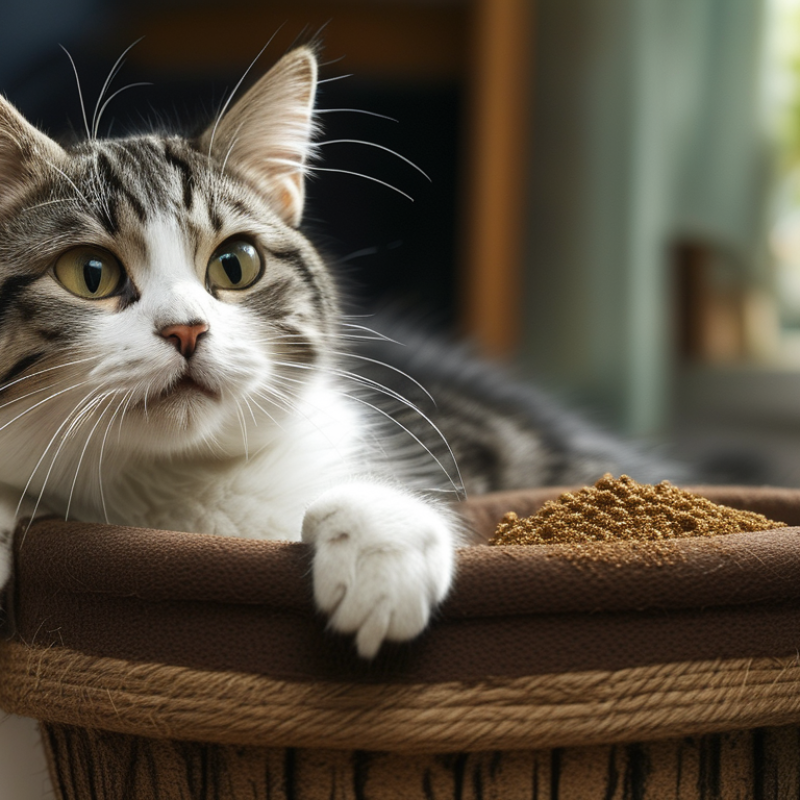
Cats can sometimes refuse to use the litter box, leading to frustration for their owners. Several reasons can contribute to this behavior. A dirty litter box is often a primary issue. Cats are clean creatures and may avoid using a box that they perceive as unclean. Regular cleaning is essential to encourage proper use.
Another common reason is the type of litter used. Some cats are particular and may dislike the texture or scent of certain litters. It's worth trying different options to see what your cat prefers. Additionally, changes in the environment can cause stress. A new pet, moving furniture, or even changes in routine can lead to litter box avoidance. Observing your cat's behavior can provide insights into their preferences and fears. Every cat is unique, and understanding what impacts their comfort is crucial for reinforcing positive bathroom habits.
Cats can be particular about their litter box usage. One critical factor influencing their behavior is the box's location. A study by the Journal of Feline Medicine and Surgery highlights that 25% of cats avoid using litter boxes placed in noisy areas. Cats prefer quiet, low-traffic spots. If their box is situated in such locations, they may just opt-out of using it altogether.
Accessibility is another major concern. A survey conducted by the American Association of Feline Practitioners found that 30% of cat owners misjudged the height of their litter boxes. Kittens and elderly cats, in particular, struggle with high-sided boxes. Another issue arises when boxes are placed in places that require climbing, such as basements or upstairs. This can deter these felines from using the box regularly.
Moreover, the cleanliness of the litter box plays a role. According to a study, 50% of cats would refuse to use a litter box that hasn’t been cleaned in a few days. Regular cleaning and quick access can significantly improve compliance. Evaluating the location and accessibility can lead to a more harmonious relationship between cats and their owners. This underscores the importance of understanding your pet's needs.
| Issue | Description | Recommendations |
|---|---|---|
| Litter Box Location | Cats may refuse to use the litter box if it is placed in a noisy or high-traffic area. | Place the litter box in a quiet, private location where the cat can feel safe. |
| Accessibility | Litter boxes that are too high or difficult to access can deter cats from using them. | Ensure the litter box is easy for the cat to enter and exit, and consider low-sided boxes for older or disabled cats. |
| Litter Type | Some cats have preferences for specific types of litter and may avoid boxes with litter they dislike. | Experiment with different litter types to find one that your cat prefers and provide consistency. |
| Cleanliness | Cats are clean animals and may refuse to use a dirty litter box. | Regularly clean the litter box at least once a day and completely change the litter weekly. |
| Health Issues | Medical conditions can cause changes in behavior, including litter box avoidance. | Consult a veterinarian if your cat shows signs of distress or changes in litter box habits. |
Cats are known for their cleanliness, but sometimes they refuse to use the litter box. This behavior can stem from various health issues. Urinary tract infections (UTIs) are common culprits. These infections cause pain and discomfort, making the litter box a negative experience.
Another health problem is kidney disease. Cats with this condition may have increased thirst and urination. This can lead to accidents outside the litter box. Additionally, arthritis can make it hard for older cats to climb in and out comfortably. They may avoid the box due to pain, which adds to their discomfort.
Observing your cat is crucial. Changes in behavior can indicate underlying health issues. If your cat suddenly refuses the litter box, consider a vet visit. Understanding these problems requires patience and care. Cat owners must be aware of their pets’ needs.
Cats may refuse to use the litter box for various behavioral reasons. Stress and anxiety are significant contributors. According to a study by the American Animal Hospital Association, about 20% of cats experience litter box issues due to stress. Changes in the household, like moving or new pets, can create anxiety.
Another factor is the cleanliness of the litter box. Cats are very particular about their hygiene. A dirty box can deter them from using it. Research shows that 50% of cats will avoid a litter box if it is not cleaned regularly. Ensuring a clean and appealing environment is crucial for encouraging proper use.
**Tips:** Always provide at least one litter box per cat, plus one extra. This helps to reduce territorial disputes. Experiment with different types of litter to find what your cat prefers. Lastly, observe their behavior closely. Hidden signs of discomfort can lead to litter box avoidance.
Cats are sensitive creatures. Environmental changes can significantly affect their litter box habits. A new home can be overwhelming. Different scents and sounds may create stress. Cats often seek comfort in familiar environments. If a litter box is located in a noisy area, the cat may avoid it.
Changes in the litter itself can also be a determining factor. Cats have preferences; they are particular about texture and smell. If the litter is dusty or strongly scented, cats might resist using it. Additionally, if the box is not cleaned regularly, cats may refuse to step inside. They are clean animals and need a hygienic space.
Even minor alterations can impact their behavior. A new pet in the household can cause jealousy or anxiety. Additional stressors include changes in their owner's routine. Cats thrive on predictability. If their daily environment shifts, they may express their discontent through avoidance. Understanding your cat's perspective is crucial for addressing these issues.
: A dirty litter box is a common reason. Cats like cleanliness.
Yes, cats often dislike certain textures or scents of litter.
A new pet, moving furniture, or changes in your routine can cause stress.
Very important. Cats avoid dirty boxes to maintain hygiene.
Observe their behavior and try different types of litter or box locations.
Ensure it's in a quiet area and regularly cleaned to maintain comfort.
Yes, noise can make cats avoid the box. They prefer quiet spaces.
Absolutely. Cats are unique and have specific likes and dislikes.
Look for recent changes in their environment or routine that may cause stress.
Yes, many cats have strong preferences regarding litter texture and scent.
Understanding why cats refuse to use the litter box involves exploring various factors that can contribute to this behavior. Common reasons include the location and accessibility of the litter box. If a cat's litter box is placed in a high-traffic area or is hard to access, it may lead to avoidance. Health problems, such as urinary tract infections or pain, can also deter cats from using the box. Behavioral issues, influenced by stress or anxiety, further complicate this problem.
Additionally, environmental changes, such as new pets or alterations in the household, can significantly impact a cat's litter box habits. By evaluating these factors, cat owners can identify the underlying reasons behind their pets' reluctance to use the litter box and implement appropriate solutions to encourage consistent usage. Understanding why cats refuse to use the litter box is crucial for ensuring their well-being and maintaining a harmonious home environment.

Purr Pet