How to Stop Litter Boxes from Smelling Even with Fresh Litter?

Time:2026-05-09 Author:Isabella
0%

Litter boxes are essential for cat owners. However, many face a common problem. Even with fresh litter, these boxes can still smell. Understanding why litter boxes smell even with fresh litter requires some investigation.

The typical assumption is that fresh litter should eliminate odors. Yet, this is often not the case. Bacteria can thrive beneath the surface, where fresh litter may not reach. Additionally, some litter types may mask odors without neutralizing them. Frequent cleaning is crucial, but many overlook this.

Cats can also be sensitive to smells. If a litter box smells, they may avoid it altogether. This can lead to stress for the cat and the owner. Finding a solution is important for a harmonious home. Explore effective strategies to combat these odors and ensure a pleasant environment for you and your feline friend.
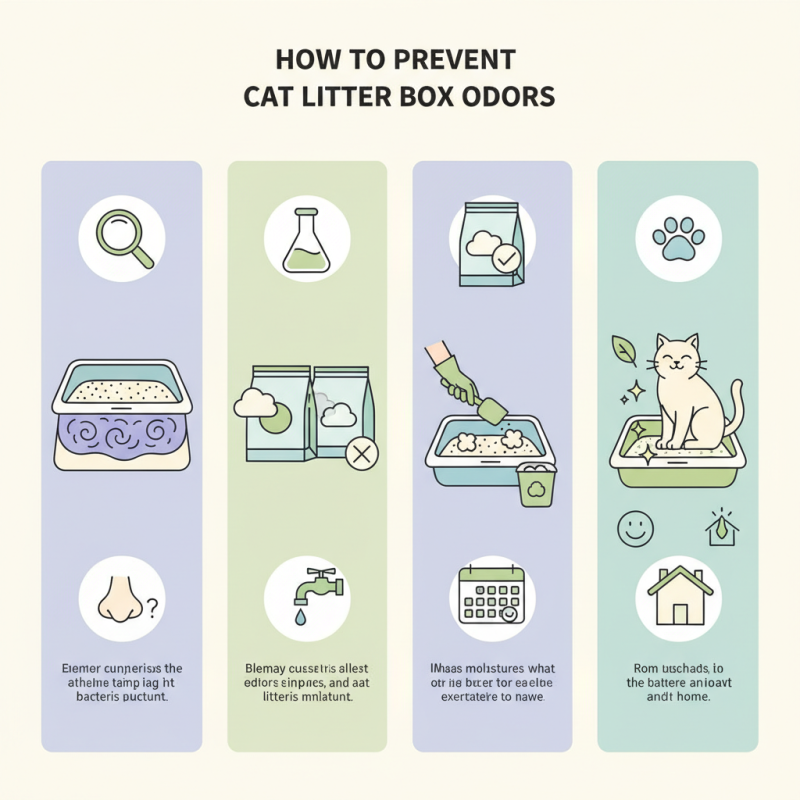
How to Stop Litter Boxes from Smelling Even with Fresh Litter?

Identifying the Causes of Odor in Litter Boxes

Litter boxes can be a significant source of odor if not managed properly. The primary causes of these unpleasant smells include urine, feces, and the type of litter used. A study published in the Journal of Feline Medicine and Surgery highlighted that 60% of cat owners experience odor issues. This indicates a common challenge among pet owners.

To tackle these odors, understanding their sources is essential. Urine contains ammonia, which can be particularly pungent. Fecal matter also contributes significantly to odor. The choice of litter plays a role as well; some types are better at controlling odors than others. It's important to monitor your pet's health, as dietary issues can lead to stronger smells.

Tips for Odor Control:

  • Regularly clean the litter box. Removing waste daily minimizes the buildup of odors.
  • Consider using clumping litter, which can contain smells better than non-clumping types.
  • Ventilation is key.
  • Ensure the litter box area has good airflow to reduce smells.

Pet owners often overlook cleaning the box thoroughly. Neglect can lead to more severe odor issues. Regular maintenance is not just about aesthetics; it is crucial for your pet's health and well-being. Keeping the litter box clean can prevent odor problems from escalating into a frustrating experience for both you and your pet.

Choosing the Right Type of Cat Litter for Odor Control

Choosing the right type of cat litter plays a crucial role in odor control. Many cat owners often underestimate the impact of litter quality on smells. Clay-based litters are popular, but they may not effectively neutralize odors. Some formulas contain fragrances that can mask odors for a short time, but they might not be the best option for long-term use.

Natural litters made from corn, wheat, or pine can be excellent alternatives. These materials often provide better odor absorption due to their organic properties. They are biodegradable too, making them environmentally friendly. Additionally, some brands offer clumping features that make waste disposal easier. However, not all natural litters perform equally. It’s worth experimenting with different types to find the best match for your cat's preferences.

Indoor cats can be picky, and you might face challenges. A litter that works wonders for one cat may not appeal to another. Pay attention to your cat's behavior. If your cat avoids the box or shows signs of discomfort, it may be time to reconsider your choice. Finding a balance between odor control and your cat's comfort is essential. It's a constant trial to maintain a fresh-smelling litter box, but observing these details can lead to a better experience for both you and your feline friend.

Cat Litter Types and Their Odor Control Effectiveness

Implementing Regular Cleaning Routines for Litter Boxes

Maintaining a clean litter box is crucial for pet owners. Regular cleaning routines can significantly reduce odors, even with fresh litter. Research indicates that a thorough cleaning at least once a week can cut down strong smells by over 50%. Daily scooping is also essential. Removing waste promptly helps keep the box fresher and more inviting for your cat.

Incorporating both cleaning and hygiene into your routine matters. Use a mixture of vinegar and water to tackle stubborn stains. Some experts recommend using unscented cleaning agents to avoid overwhelming your pet. Remember, your cat’s sensitive nose can easily pick up on harsh chemicals. According to studies, around 30% of pet owners overlook the importance of regular maintenance, leading to lingering odors that can affect both pets and humans.

Additionally, consider replacing the litter entirely at least once a month. This step prevents buildup of bacteria and odors. Many people underestimate the impact of a dirty litter box. Your cat might refuse to use it, leading to further hygiene issues. Evaluate your cleaning routine regularly. Reflect on whether daily tasks are being completed, and adjust accordingly. A small improvement can make a big difference in odor control.

How to Stop Litter Boxes from Smelling Even with Fresh Litter? - Implementing Regular Cleaning Routines for Litter Boxes

Cleaning Routine Frequency Materials Needed Tips
Daily Scooping Every Day Scoop, Garbage Bag Remove clumps and waste immediately.
Wash Litter Box Weekly Mild Detergent, Water, Sponge Use unscented cleaners to avoid cat aversion.
Change Litter Every 2-3 Weeks Fresh Litter, Scoop Choose a low-dust, clumping litter for best results.
Deodorizing As Needed Baking Soda, Cat Safe Deodorizer Sprinkle baking soda underneath the litter to absorb odors.
Check Box Location Monthly None Ensure the box is in a well-ventilated area.

Utilizing Deodorizing Products and Techniques

Maintaining a fresh-smelling litter box can be challenging. While many cat owners rely on fresh litter alone, additional deodorizing products and techniques can enhance odor control. According to a survey by the American Pet Products Association, 67% of cat owners reported issues with litter box odor affecting their home environment. This shows the importance of effective odor management.


Utilizing natural deodorizers like baking soda is a practical technique. Sprinkling a thin layer of baking soda at the bottom of the litter box can neutralize odors. A study indicated that baking soda can reduce ammonia odors by up to 80%. In addition, consider adding activated charcoal to the litter as it absorbs moisture and odors effectively. These options are user-friendly and budget-conscious.


Regular cleaning plays a crucial role as well. It is essential to scoop the litter box daily to minimize lingering smells. However, even with daily maintenance, some odors can persist, requiring deeper cleanings and replacements of litter. Cat litters with odor-absorbing crystals can also help, but some owners may be hesitant to switch due to personal preferences. Each cat and home is unique, and finding the right combination of methods requires patience and experimentation.

Enhancing Litter Box Placement and Environment for Minimal Smell

Creating a comfortable environment for your cat while minimizing odors involves strategic litter box placement. According to a survey by the American Pet Products Association, 70% of cat owners believe a well-placed litter box significantly reduces unpleasant smells. Ideal locations are quiet, low-traffic areas that allow easy access. Avoid placing the box near feeding areas. This simple tip can greatly enhance your cat's comfort and reduce odors.

Proper airflow and ventilation around the litter box are crucial. A well-ventilated area helps disperse odors effectively. Using a covered box may seem appealing, but it can trap smells. If a covered box is necessary, ensure it has sufficient openings. Consider placing air purifiers nearby. According to studies, air purifiers can reduce pet-related odors by up to 90%, creating a fresher space.

Tip: Regularly clean the litter box. Daily scooping eliminates waste and minimizes odors. Additionally, switching to clumping litter can help contain smells. A deep clean once a week is essential. Scrub the box with mild soap and rinse thoroughly. Keeping the surrounding area tidy also prevents lingering odors. A clean space is beneficial both for your cat and for your home environment.

FAQS

: What causes odors in litter boxes?

: The main causes are urine, feces, and the type of litter used.

How can I control odors effectively?

Clean the litter box daily, use clumping litter, and ensure good ventilation.

Why is regular cleaning important for my cat's health?

Neglecting litter box maintenance can lead to severe odor issues and health problems for your pet.

How can I select the best cat litter for odor control?

Experiment with different litters, such as natural options, to find what works for your cat.

What is the role of natural deodorizers in odor management?

Sprinkling baking soda can neutralize odors effectively, reducing ammonia smells significantly.

What should I do if my cat avoids the litter box?

Observe their behavior; it may indicate discomfort with the litter type you are using.

Are there specific cleaning techniques to enhance litter box freshness?

Scoop daily, replace litter regularly, and consider using deodorizing crystals if desired.

Can the type of litter affect odor levels?

Yes, some litters are better at controlling odors, so choosing wisely is crucial.

Are scented litters a long-term solution for odor?

They may mask odors temporarily but are not effective for long-term odor control.

How often should I deeply clean the litter box?

Even with daily cleaning, deeper cleanings are necessary periodically to eliminate persistent odors.

Conclusion

The article "How to Stop Litter Boxes from Smelling Even with Fresh Litter?" addresses the common issue of why litter boxes smell even with fresh litter. It starts by identifying the various causes of odor, which can include inadequate cleaning, specific litter types, and environmental factors. Next, it emphasizes the importance of choosing the right type of cat litter that effectively controls odor, as well as developing a regular cleaning routine that minimizes lingering smells.

Additionally, the article explores the use of deodorizing products and techniques that can enhance the litter box experience. Finally, it discusses how proper placement and environmental considerations can significantly reduce odors emanating from litter boxes, ensuring a more pleasant atmosphere for both cats and their owners. By implementing these strategies, pet owners can maintain a fresher and cleaner litter box environment.

Isabella

Isabella

Isabella is a dedicated marketing professional with a sharp focus on driving brand growth and engagement through strategic content creation. With an extensive background in digital marketing, she combines her passion for storytelling with her keen understanding of industry trends to deliver......