Creating a comfortable litter box setup is essential for your cat’s well-being. A well-arranged box can encourage positive behaviors. But what makes a comfortable litter box setup? Many pet owners overlook key elements.
The right location is vital. Cats prefer private spaces away from high traffic areas. A quiet corner can make a difference. The type of litter is equally important. Some cats are picky, so trials may be necessary. You might find your cat avoiding a box due to its texture or scent.
Cleaning routines play a crucial role. A clean box encourages consistent use. However, daily scooping may be forgotten. Reflecting on these habits can improve the setup. A comfortable litter box is not just about the box itself; it’s about understanding your cat’s needs. Achieving the perfect balance requires ongoing effort and attention.
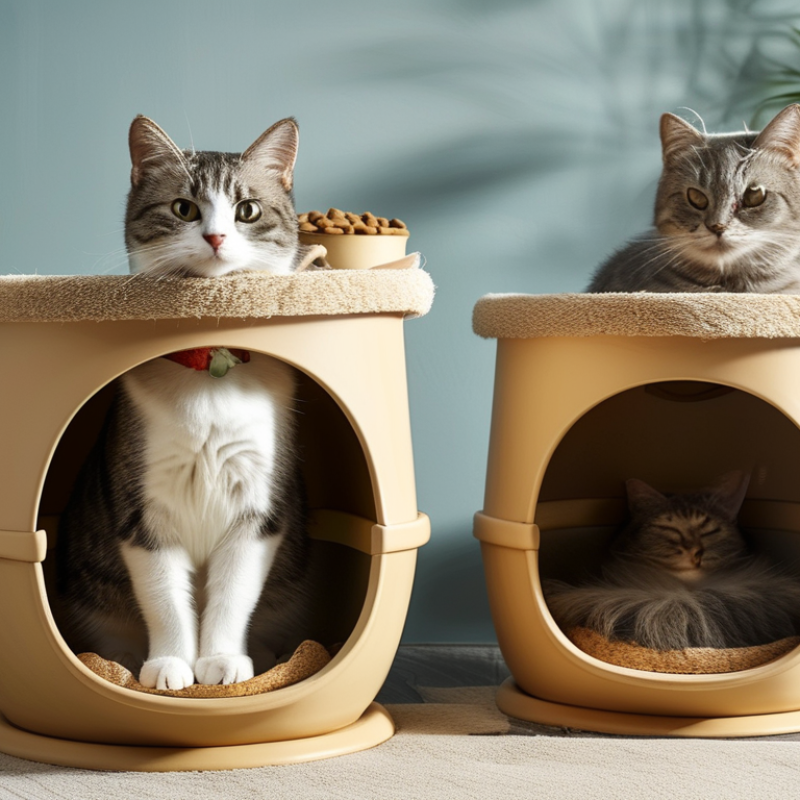
When setting up a litter box, the location can greatly affect your cat's comfort. Research suggests that about 70% of cats prefer a quiet, low-traffic area for their litter box. This natural instinct reflects their need for security and privacy. Avoid placing the box near noisy appliances or high-activity zones in your home. Instead, look for a space that your cat can access easily but feels safe within.
Consider the height of the litter box, too. Experts recommend that the box should be easily reachable for cats of all ages. For older or disabled cats, raised boxes may pose a challenge. A box in a hidden corner might seem ideal, but it can also create barriers that deter your cat from using it regularly. A survey found that 40% of cat owners reported behavioral issues when the box was not in a desirable location. This statistic highlights the importance of finding a compromise between convenience and comfort.
In addition, it's vital to keep the litter box away from your cat's food and water. Cats have strong instincts about cleanliness and scents. Placing a litter box near their eating area might encourage them to avoid it altogether. A study indicated that this could lead to litter box aversion, which is a common issue that leads to accidents outside the box. Ensure the chosen spot is easy to clean and maintain. Taking the time to observe your cat's habits can also guide you in choosing the most suitable location.
: Cats prefer quiet, low-traffic areas. Avoid placing the box near noisy appliances or high-activity zones.
The box should be easily reachable. Older or disabled cats may struggle with raised boxes.
Cats dislike eating near waste. This can lead to litter box aversion, causing accidents outside the box.
Observe your cat's reactions. They often prefer fine-grained litter that feels softer on their paws.
Clumping litters make cleanup easier but may create dust. If your cat sneezes, consider a dust-free option.
A clean box keeps odors away. Cats are sensitive; a dirty box can deter them from using it.
Aim to scoop daily and deep clean weekly for a fresh environment.
It's normal to forget sometimes. Reflect on your routine and make adjustments as needed.
Switching litters occasionally can help gauge your cat’s preferences for a comfortable experience.
Creating a comfortable litter box setup is essential for ensuring your cat feels relaxed and happy when using it. Key factors include choosing the right location for the litter box, which should be quiet and easily accessible, away from noisy appliances or high-traffic areas. Selecting the best type of litter is also crucial, as it can influence your cat’s willingness to use the box.
Additionally, understanding litter box size is important; there should be enough space for your cat to move around comfortably. Establishing a regular cleaning routine keeps the box hygienic and appealing, minimizing odors and mess. Lastly, creating a calm environment encourages your cat to use the litter box without anxiety. Overall, what makes a comfortable litter box setup involves careful consideration of these elements to promote a positive experience for your feline friend.

 Purr Pet