Training a picky cat to use an automatic feeder can be quite a challenge. Cats often become attached to their feeding routine. They may resist any changes that disrupt their comfort. This can make the task of transitioning to an automatic feeder daunting. However, understanding how to get a picky cat to use an automatic feeder is essential for convenience.
Begin by introducing the automatic feeder slowly. Place it where your cat usually eats. Gradually fill it with your cat's favorite food. You want to create a connection between the feeder and a positive experience. Pay attention to your cat's behavior. If they show curiosity, reward them with praise. Building trust is key; it might take time, and that’s okay.
Also, monitor your cat's reactions closely. Some days will be better than others. If they refuse the new feeder, don't despair. Consider trying different food textures or flavors. Cats are fickle; they may change their preferences overnight. Patience and observation will help you find the right approach. In this process, you’ll learn about your cat's unique quirks, making it a more rewarding experience for both of you.
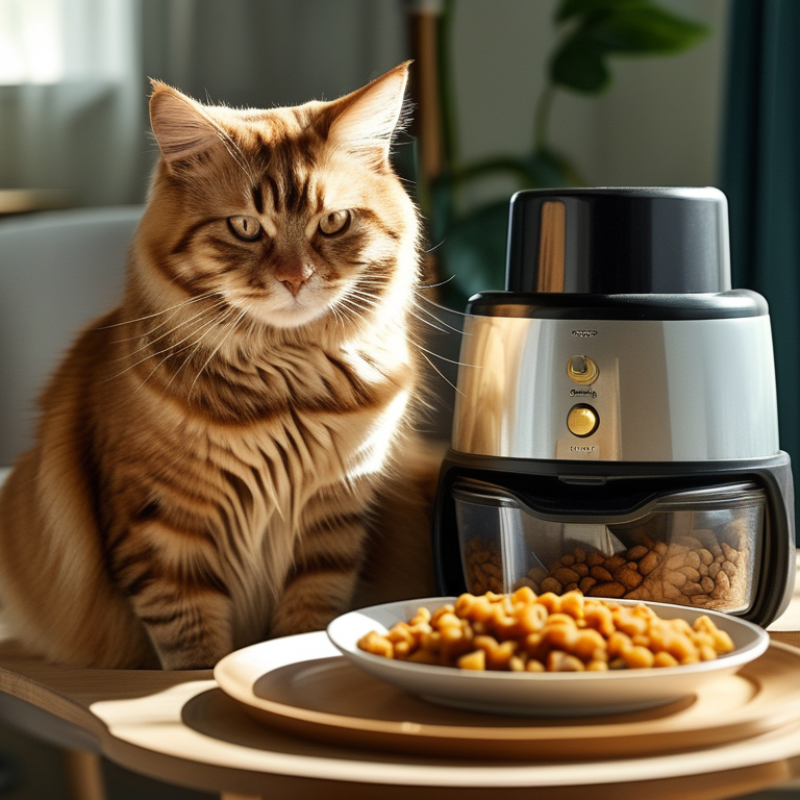
Understanding a picky cat's feeding habits is essential for successful training. These cats often refuse to eat food that doesn't meet their preferences. Observing their behavior can provide insights. Some cats prefer certain textures or flavors. Others may become anxious around automatic feeders due to unfamiliar sounds.
Creating a positive feeding environment is key. Gradually introduce the automatic feeder when the cat is calm. Reward them with their favorite treats nearby. This helps build a positive association with the feeder. Monitor their reactions closely. Some cats may need time to adjust. Patience is crucial.
Feeding schedules also matter. Many picky eaters thrive on routine. Set specific times for meals to create predictability. However, some cats are sensitive to changes. If they suddenly refuse food, consider whether the feeder is in a stressful location. Each cat is unique, and understanding their individual quirks can lead to successful feeding habits.
When choosing the right automatic feeder for your picky cat, it’s essential to consider several factors. The size of the feeder should match your cat’s weight and eating habits. A feeder that is too large may discourage your cat if it feels overwhelmed. Look for one that has a capacity suitable for daily feeding without wastage. Material matters too. Opt for feeders made with high-quality, non-toxic materials that ensure your cat’s safety.
Timing and portion control are crucial features to examine. Some feeders allow you to set specific feeding times, which can help regulate your cat’s eating schedule. Picky eaters often prefer fresh food. Therefore, a feeder with an airtight compartment can keep food fresh longer. Additionally, test the feeder’s noise level. Some pets are sensitive to sounds, so a quiet feeder will be less likely to scare your cat away.
Lastly, consider ease of cleaning. A feeder with removable parts can save you time and hassle. It’s worth noting that no feeder is perfect. Some cats may need time to adapt, and it’s okay to be patient. If your feline friend still resists, you might need to tweak your feeding routine gradually. Reflect on their individual preferences and adjust the approach accordingly to find what works best.
Introducing an automatic feeder to a picky cat can be a delicate process. The goal is to create a positive association with the feeder before relying on it for meals. Start by placing the feeder in an accessible location. Let your cat explore it without pressure. This can take time.
Tips: Use treats to lure your cat near the feeder. Scatter some in front of it or inside. This encourages curiosity about the machine. Observe your cat's behavior. If they show hesitation, back off and try again later. Reward any brave steps toward the feeder.
Once your cat feels comfortable around the feeder, it's time for the next step. Start with a little food in the bowl. Let them eat their usual meals beside the feeder. Gradually transfer more meals to the feeder. Monitor their reactions closely. If your cat refuses to eat, don’t push. Some cats need more time.
Tips: Always refill the feeder with their favorite food. Consistency is key. Make sure the machine is clean and functioning well. A malfunctioning feeder can lead to distrust. Lastly, adjust the timing of the feeding. Cats often need to feel in control to embrace change. Notice how your cat adapts and be flexible in your approach.
When training a picky cat to use an automatic feeder, creating a positive association is key. Cats are creatures of habit, and introducing new elements can cause anxiety. Evidence shows that positive reinforcement leads to better training outcomes. A study by the Journal of Veterinary Behavior suggests that positive experiences increase a cat's willingness to engage with new items.
Start by placing the feeder in a comfortable area. Let your cat explore it without pressure. Encourage her curiosity by placing her favorite treats nearby. You want her to associate the feeder with pleasant experiences. Mix in interactive playtime with a toy around the feeder. This can help build a positive environment.
Tips: Use quality treats that your cat loves. Small, flavorful bites can entice her. Gradually increase the proximity to the feeder. It's also crucial to be patient. Cats may take time to adapt. Respect their pace to prevent stress.
Another strategy is to schedule feeding times. Cats thrive on routine. When the automatic feeder dispenses food, reward positive behavior with gentle praise. This reinforces her association with the feeder. Engaging in this way reduces skepticism and helps her adjust. By ensuring she sees the feeder as a source of joy, you’ll make the transition smoother.
| Step | Action | Description | Expected Outcome |
|---|---|---|---|
| 1 | Introduce Feeder | Place the automatic feeder in a familiar area. | Cat becomes accustomed to the new feeder's presence. |
| 2 | Manual Feeding | Use the feeder to serve meals manually at first. | Associates the feeder with positive feeding experiences. |
| 3 | Gradual Transition | Slowly introduce the automatic dispensing feature. | Reduces anxiety about the feeder. |
| 4 | Positive Reinforcement | Reward your cat with treats for using the feeder. | Strengthens the bond and promotes positive association. |
| 5 | Regular Use | Encourage daily use for consistency. | Happy and adjusted cat that uses the feeder readily. |
Monitoring your cat's adaptation to an automatic feeder involves careful observation and engagement. Cats can be notoriously picky, and introducing new feeding methods may cause anxiety. Begin by placing the feeder in a familiar spot. This can help alleviate stress. Some cats may ignore the feeder at first. Patience is crucial during this transition.
Watch for changes in behavior. Is your cat approaching the feeder with curiosity? Or does it keep its distance? These signs are essential in understanding how your cat feels about the new setup. You might notice it sniffing around, or even tapping the feeder tentatively. Spend time near the feeder, encouraging exploration without forcing interaction.
Inconsistent feeding patterns can occur. Your cat might eat too little if it is unsure about the feeder’s reliability. Stay attuned to your cat's eating habits. If it's not eating enough, try adjusting the feeder settings or the timing. Over time, gradual exposure can build confidence. Always provide reassurance. This approach helps to foster trust in the new feeding method. Adaptation may take time, but attentive monitoring is key.
: It helps in training and ensures your cat eats enough.
Cats may prefer specific textures or flavors in their food.
Start when your cat is calm and reward them nearby with treats.
Monitor their behavior and give them time to adjust.
Routine feeding times create predictability, which many cats prefer.
Watch for curiosity and exploration, like sniffing or tentative tapping.
Encourage exploration without forcing interaction, and provide reassurance.
Adjust the feeder settings or timing based on their habits.
Yes, sudden changes can lead to refusal of food due to anxiety.
Each cat adapts at their own pace, requiring ongoing support and observation.
In the article "How to Train a Picky Cat to Use an Automatic Feeder?", the focus is on understanding your cat's unique feeding habits and preferences. This knowledge is crucial for selecting the right automatic feeder that caters to your cat's needs. The process involves gradually introducing the feeder to your cat, ensuring that it feels comfortable and secure.
To successfully learn how to get a picky cat to use an automatic feeder, it is essential to create a positive association with the device. This can be achieved through positive reinforcement and patience. Finally, monitoring your cat's adaptation to the automatic feeder helps to ensure a smooth transition and continued satisfaction with their feeding experience.

Purr Pet