Can I Use a Microchip Feeder for a Cat Without a Microchip?

Time:2026-03-09 Author:Sienna
0%

When considering pet feeding solutions, the question arises: can I use a microchip feeder for a cat without a microchip? This inquiry is increasingly common among pet owners seeking to streamline feeding routines. Dr. Emily Thompson, a veterinarian known for her expertise in pet behavior, notes, "While microchip feeders are efficient, they are designed for microchipped pets."

Understanding how microchip feeders work can clarify why this question is important. These feeders require a specific microchip signal to operate. Without that signal, the feeder remains inaccessible. This might feel frustrating for pet owners wishing to take advantage of the technology. Can alternatives be a solution? Exploring different feeding methods is worthwhile.

While it’s tempting to adapt or modify these devices, doing so may lead to unintended consequences, like mess or wasted food. It's crucial to research various feeding strategies. Some cats do well with manual feeders or timed dispensers. Ultimately, identifying the best feeding method depends on each cat's needs and lifestyle, even if it doesn’t involve a microchip.
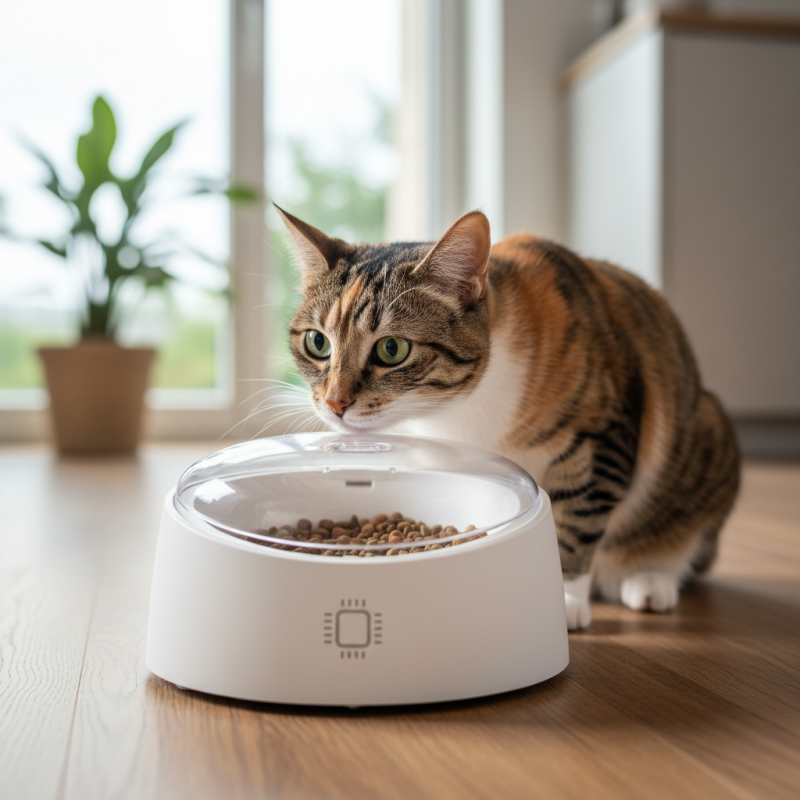
Can I Use a Microchip Feeder for a Cat Without a Microchip?

Understanding Microchip Feeders and Their Functionality

Microchip feeders are innovative devices designed to manage pet feeding using microchip technology. These feeders work by reading a pet’s implanted microchip, allowing only that specific animal access to food. They can help prevent overeating and promote healthier eating habits. Owners appreciate the ease of use. However, the question arises: can you use one for a cat without a microchip?

While the primary function relies on recognizing a microchip, some feeders offer alternatives. Many models can be set to operate using RFID collars or tags, which allow access without a microchip. This flexibility can be beneficial. However, it’s essential to recognize that feeding methods may still require careful monitoring. Behavior varies widely among pets, and single-feeder access might lead to territorial issues.

Using a microchip feeder without a microchip may not fulfill all expectations. If you decide to employ a collar tag, ensure it’s securely attached. Regular check-ins on your cat’s eating habits are also advisable. Some cats may exhibit anxiety when denied access to food at certain times. Observations will help tailor feeding practices to your specific situation.

The Concept of Microchipping Pets and Its Benefits

Microchipping pets has become a common practice for many pet owners. A microchip is a tiny device implanted under a pet's skin. This device helps reunite lost pets with their owners. The benefits are clear: if a pet goes missing, a vet or shelter can scan for the chip. This often leads to a happy reunion.

However, not all cats are microchipped. Some owners hesitate to microchip their pets. They may worry about the procedure's pain or risks. This hesitation can lead to challenges if the cat gets lost. Using a microchip feeder with a non-microchipped cat raises questions. Such a feeder provides access control, ensuring only designated pets can eat. Without a chip, the feeder is less effective. It’s important to think about different feeding solutions.

While microchipping offers safety, it’s not a one-size-fits-all. Some cats may resist being microchipped. Others might live in safe environments where they rarely roam. Monitoring your cat’s behavior can help you decide. Understanding individual needs is essential. Consider your cat's lifestyle and risks before deciding on microchipping.

Feeding Mechanisms in Microchip Feeders Explained

Microchip feeders are designed to work with pets that have implanted microchips. These feeders recognize the cat based on its microchip ID. They open only for the designated pet, preventing other animals from stealing food. This mechanism is especially useful in multi-pet households. According to a 2022 pet ownership survey by the American Pet Products Association, 70% of cat owners struggle with food theft among their pets.

Without a microchip, a cat cannot operate the feeder. This presents a challenge for owners of unchipped cats. However, some models allow manual settings as an alternative feeding method. While convenient, this feature may compromise the primary function of restricting access. It's also worth noting that the cost of microchip feeders can be significant, often ranging from $50 to $200. Owners must weigh the benefit of convenience against the upfront investment.

In the landscape of pet care technology, the demand for secure feeding solutions is growing. Research suggests that up to 35% of pet owners seek more control over their pet's diet. As pet obesity becomes a growing concern, technological innovations are increasingly important. Still, the reliance on microchips could exclude many owners with unchipped cats, raising questions about inclusivity in pet feeding solutions.

Can I Use a Microchip Feeder for a Cat Without a Microchip? - Feeding Mechanisms in Microchip Feeders Explained

Feeder Type Microchip Required Alternative Identification Feeding Method Typical Price Range
Standard Microchip Feeder Yes N/A Automatic Portion Control $50 - $150
Manual Feeders No N/A Owner-controlled $10 - $40
RFID Feeders Yes RFID Tag Automatic Portion Control $100 - $200
Smart Feeders Yes App-based Control Schedule and Portion Control $150 - $300
Gravity Feeders No N/A Constant Feed Supply $20 - $60

Options for Using a Microchip Feeder Without a Microchip

Using a microchip feeder for a cat without a microchip can be challenging but not impossible. Many pet owners wonder if there's a workaround. One option is to use the feeder's manual mode. This allows you to control when food is dispensed. You remain alert to your cat's needs. It requires more effort but can be effective.

Another alternative is to consider using a collar tag or an RFID tag. Some feeders accept these tags. They can mimic the function of a microchip. However, it's crucial to ensure that the tag is designed for this purpose. Not all tags will work. This may require some experimentation, making it a less straightforward solution.

While these methods can provide short-term solutions, they might not fully replicate the benefits of a microchip feeder. A proper microchip can prevent other pets from accessing food. Cats without microchips may try to outsmart these systems. It’s important to monitor your feeding routine closely. Keeping your cat healthy is a priority, but convenience needs to be weighed against potential risks.

Alternative Solutions for Feeding Non-Microchipped Cats

When feeding a cat without a microchip, there are practical solutions. You can use a manual feeder that allows you to control portions. These feeders are simple tools that are easy to operate. Fill them at set times to keep your cat on a schedule. Some models even have timers, making routine feeding convenient.

Another option is an open bowl system. It’s low-tech but requires more attention. You need to monitor food levels regularly. Fresh water should always be available. This method may lead to overeating or spoilage if food is left out too long. Pay close attention to your cat's eating habits; some cats may graze throughout the day.

For outdoor cats, automatic solution can be helpful. It dispenses food at set intervals, reducing the risk of a wild animal raid. However, these systems may not be foolproof. Fitting the feeder correctly is essential, or else stray animals might get to it. These alternatives provide flexible feeding options, while pet owners can still adapt practices to suit their furry friends.

FAQS

: What are microchip feeders?

: Microchip feeders manage pet feeding through microchip technology. They only allow access to specific animals with chips.

Can I use a microchip feeder without a microchip?

Yes, some feeders work with RFID collars or tags. These alternatives provide access without needing a microchip.

What if my cat is not microchipped?

A non-microchipped cat cannot use the feeder effectively. Explore other feeding methods to ensure proper access.

Do microchip feeders prevent overeating?

Yes, microchip feeders help control portions and promote healthier eating habits for pets.

Are there risks to microchipping my pet?

Some owners worry about pain or potential risks. Consider your pet's personality and environment before deciding.

How much do microchip feeders cost?

Prices typically range from $50 to $200. Consider the investment against convenience and your pet's needs.

Can using a collar tag cause issues?

Yes, ensure the tag is secure. Some pets may feel anxious if access to food is restricted at certain times.

How often should I monitor my cat's eating habits?

Regular check-ins are advisable. Observing your cat helps to tailor feeding practices for better health.

Why is there a growing demand for feeding solutions?

Many pet owners seek control over diets as pet obesity rises. Innovations in feeding technology aim to meet this need.

What challenges do multi-pet households face?

Food theft among pets is common. Microchip feeders are designed to help manage this issue but may require careful consideration.

Conclusion

The article "Can I Use a Microchip Feeder for a Cat Without a Microchip?" explores the functionality of microchip feeders and the concept of microchipping pets. Microchip feeders are designed to dispense food selectively to pets based on their microchip identification, offering benefits such as portion control and security in feeding. However, for owners wondering, "can I use a microchip feeder for a cat without a microchip," the article outlines alternative options for feeding non-microchipped cats.

Feeding mechanisms in microchip feeders primarily rely on the pet's microchip to unlock the feeding mechanism. For cats without microchips, the article presents various solutions that allow owners to manage their cat’s nutrition without resorting to microchipping, ensuring that all pets can receive their meals appropriately and healthily.

Sienna

Sienna

Sienna is a skilled marketing professional with a deep expertise in our company’s core products and services. With a passion for innovation and detail, she plays a pivotal role in crafting insightful blog posts that not only highlight the unique features of our offerings but also provide valuable......